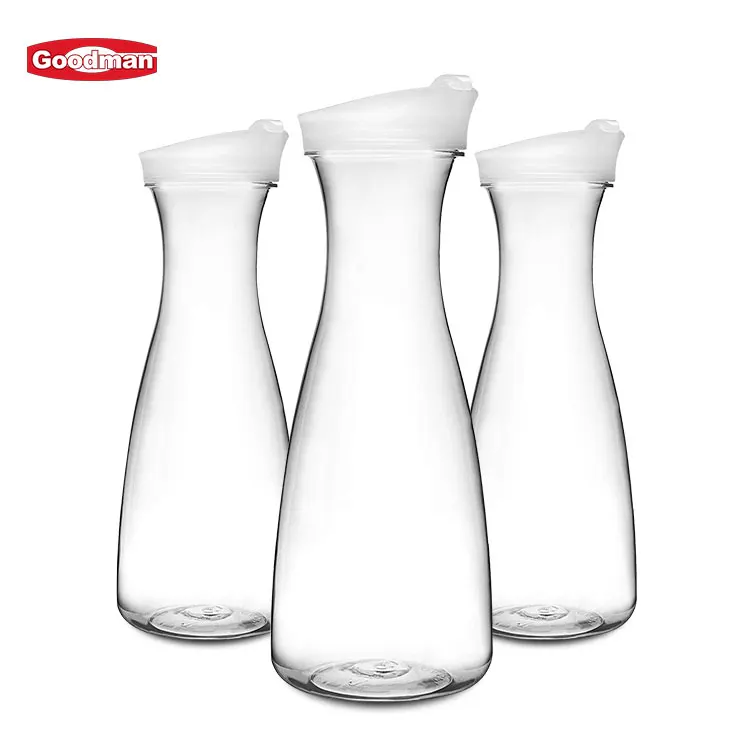
wadah layanan makanan
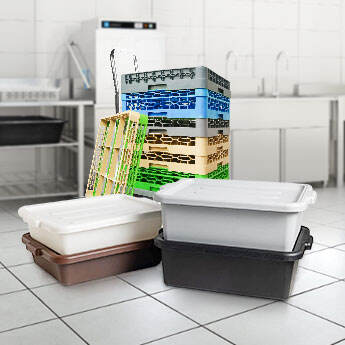
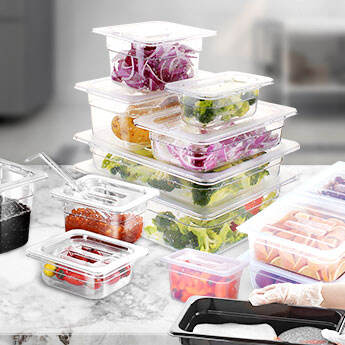
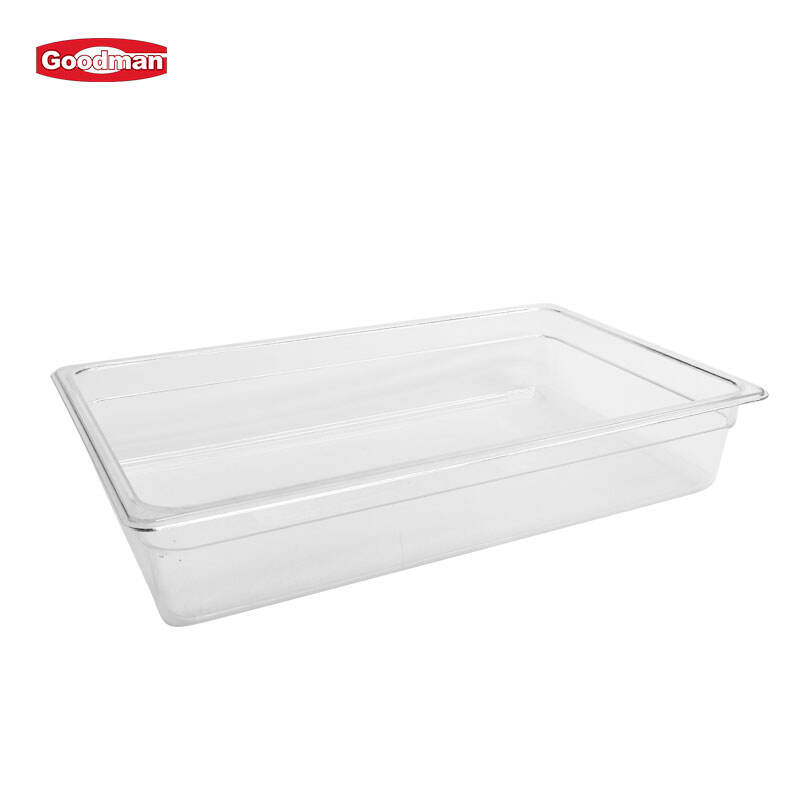
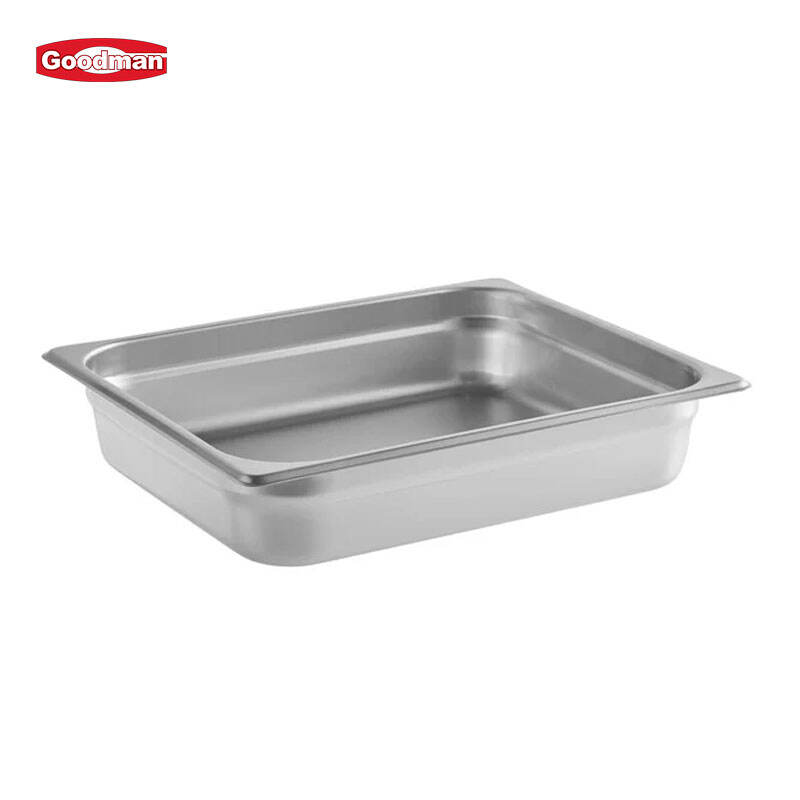
Wadah makanan merupakan peralatan penting yang dirancang untuk merevolusi operasi dapur komersial dan menyederhanakan proses persiapan makanan. Wadah khusus ini memiliki berbagai fungsi di lingkungan kuliner profesional, berfungsi sebagai wadah memasak, unit penyimpanan, dan alat penyajian dalam satu solusi serbaguna. Wadah makanan menggunakan material dan teknik rekayasa canggih untuk tahan terhadap kondisi keras dapur komersial yang sibuk, sekaligus menjaga kinerja yang konsisten selama penggunaan jangka panjang. Wadah ini memiliki dimensi standar yang dapat terintegrasi mulus dengan peralatan dapur yang sudah ada, termasuk meja uap, penghangat makanan, unit pendingin, dan stasiun penyajian. Konstruksinya biasanya menggunakan baja tahan karat kelas tinggi atau aluminium tahan banting, material yang dipilih secara khusus karena kemampuan konduksi panasnya yang unggul serta ketahanannya terhadap korosi. Desain wadah makanan modern dilengkapi tepi dan sudut yang diperkuat untuk mencegah pelengkungan akibat suhu ekstrem, sehingga menjamin umur panjang dan kinerja yang andal. Fitur teknologinya tidak hanya terbatas pada konstruksi dasar, banyak model yang dilengkapi lapisan khusus untuk meningkatkan sifat anti-lengket sekaligus tetap aman untuk persiapan makanan komersial. Kemampuan tahan suhu memungkinkan wadah ini berpindah dengan mudah dari penyimpanan freezer ke aplikasi memasak bersuhu tinggi tanpa mengorbankan integritas strukturalnya. Sistem ukuran standar memungkinkan pemanfaatan ruang yang efisien di dapur komersial, dengan berbagai pilihan kedalaman yang sesuai dengan ukuran porsi dan jenis makanan yang berbeda. Dapur profesional mengandalkan wadah ini karena kemampuannya menjaga suhu memasak yang konsisten, memfasilitasi proses pembersihan yang mudah, serta mendukung sistem rotasi makanan yang efisien. Pertimbangan desain juga mencakup fitur penanganan ergonomis, termasuk tepi halus yang mencegah cedera selama operasi dapur yang cepat. Alat dapur penting ini mendukung berbagai metode memasak, dari braising lambat hingga penggorengan cepat, menjadikannya sangat penting untuk beragam aplikasi kuliner di restoran, layanan katering, dan fasilitas layanan makanan institusional.


 EN
EN