komersyal na basurahan sa kusina
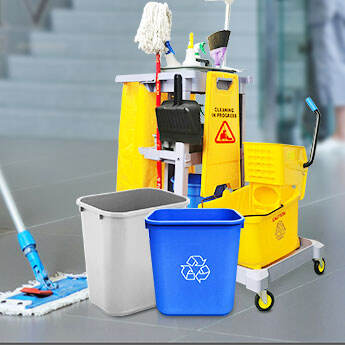
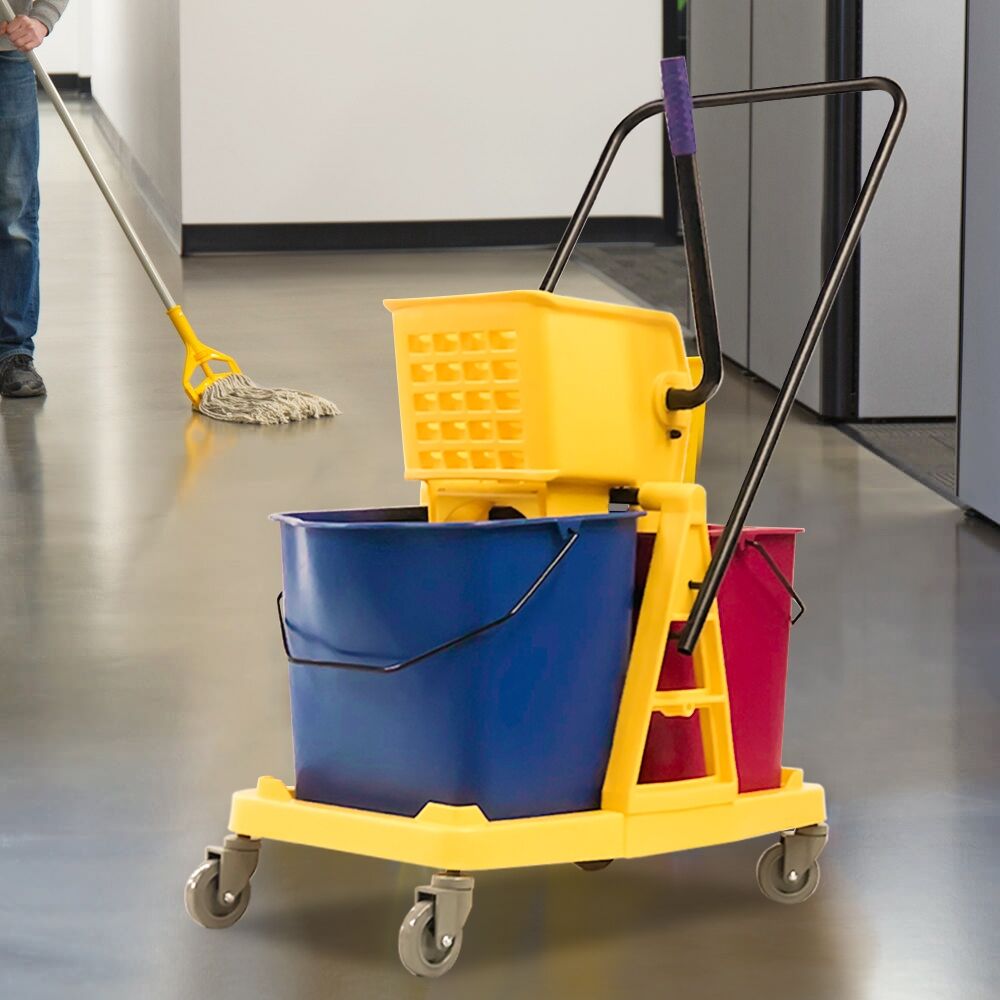
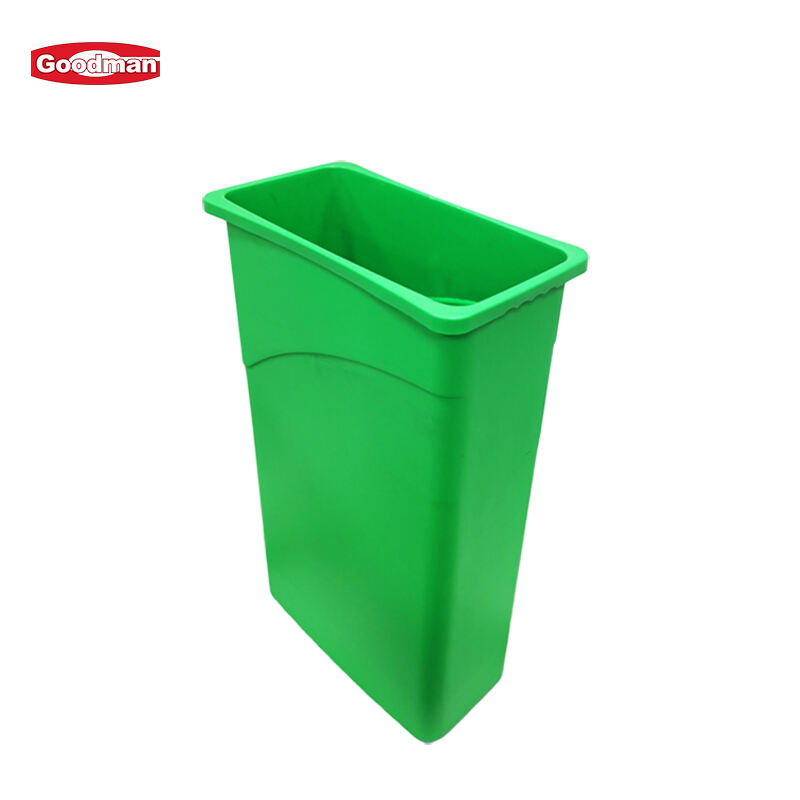
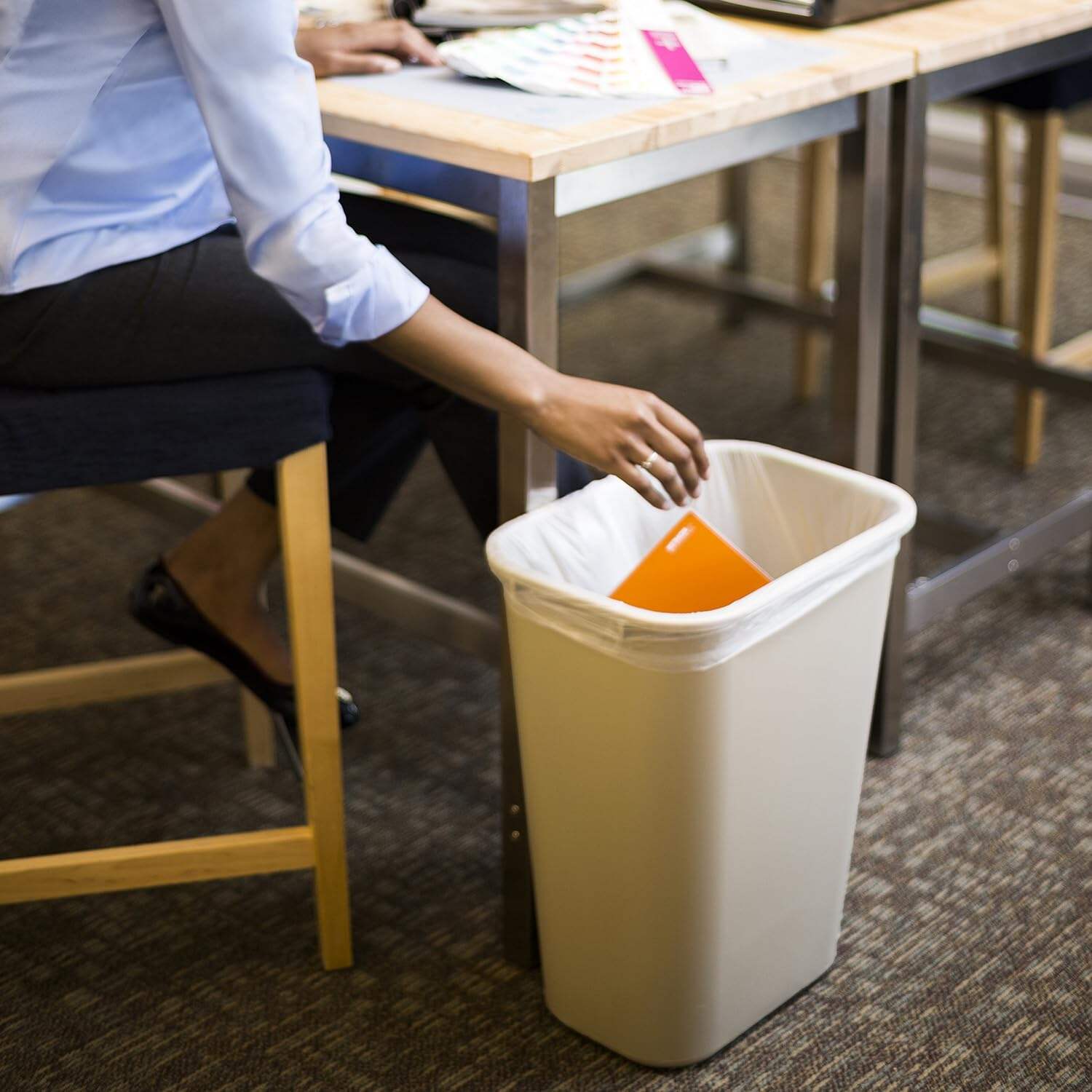
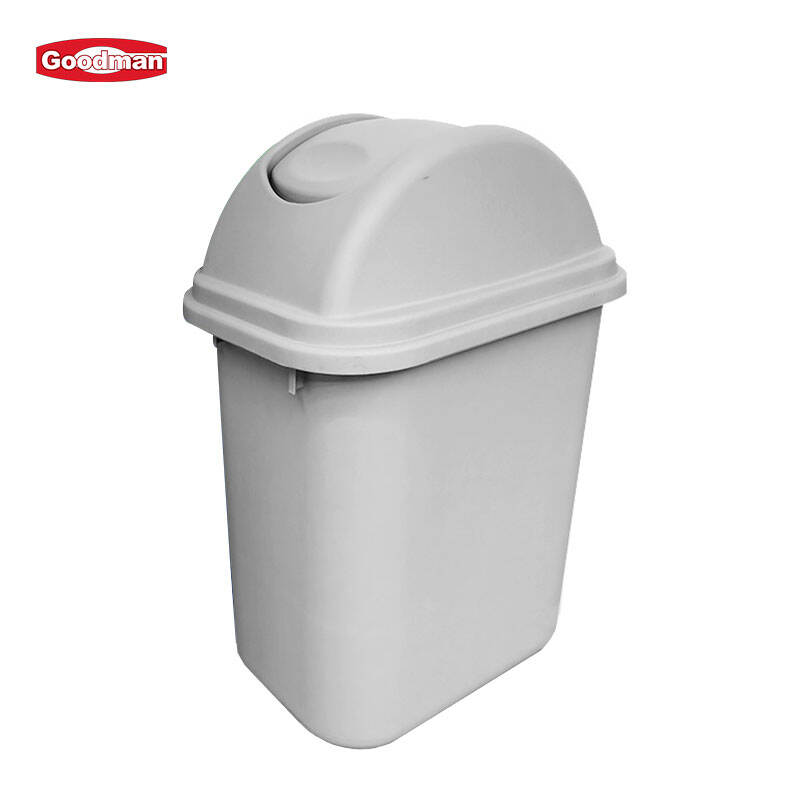
Ang isang basurahan sa komersyal na kusina ay isang mahalagang kagamitan na idinisenyo partikular para sa mga environmento ng foodservice na may mataas na dami kung saan ang tibay, kalinisan, at kahusayan ay napakahalaga. Hindi tulad ng mga basurahan para sa resedensyal, ang mga basurahan sa komersyal na kusina ay ininhinyero upang matiis ang mahihirap na kondisyon sa mga propesyonal na kusina, restawran, kantina, at institusyonal na lugar ng paghahanda ng pagkain. Ang mga espesyalisadong solusyon sa pamamahala ng basura na ito ay may matibay na mga materyales sa konstruksyon tulad ng mabigat na stainless steel, pinalakas na plastic polymers, o aluminum alloy na lumalaban sa korosyon, pinsala dulot ng impact, at madalas na paglilinis gamit ang mga sanitizer na antas ng industriya. Karaniwang may mekanismo ang basurahan sa komersyal na kusina para sa operasyon nang walang paggamit ng kamay, kabilang ang mga pedal na pinapagana ng paa, sensor-activated lids, o swing-top designs na nagpapaliit sa panganib ng cross-contamination habang panatilihin ang kahusayan sa operasyon lalo na sa panahon ng mataas na pasada. Ang mga advanced model ay may integrated odor control systems, antimicrobial surface treatments, at specialized liner retention features na humahadlang sa paggalaw o pagbubuhos ng basurahan. Tinatanggap ng mga yunit na ito ang iba't ibang uri ng basura na karaniwan sa komersyal na operasyon ng pagkain, mula sa pangkalahatang kalat at sisa ng pagkain hanggang sa mga mapagbabagong materyales at compostable organic waste. Madalas na may modular design ang basurahan sa komersyal na kusina na nagbibigay-daan sa madaling integrasyon sa umiiral nang layout ng kusina, na may opsyon para sa wall mounting, under-counter installation, o mobile configurations na may mabibigat na casters para sa fleksibol na posisyon. Ang saklaw ng kapasidad ay mula sa compact na 10-gallon units na angkop para sa mga prep station hanggang sa malalaking 95-gallon container na idinisenyo para sa mataas na dami ng operasyon. Maraming modelo ng basurahan sa komersyal na kusina ang may sistema ng color-coding at malinaw na labeling options upang suportahan ang mga protokol sa paghihiwalay ng basura na kinakailangan ng mga tanggapan ng kalusugan at mga inisyatiba sa sustainability. Ang integrasyon ng teknolohiya ay kasama ang mga katangian tulad ng awtomatikong bag dispenser, waste level indicators, at smart sensors na nag-o-optimize sa mga iskedyul ng koleksyon at binabawasan ang operational costs sa pamamagitan ng mas mahusay na kahusayan sa pamamahala ng basura.


 EN
EN