Fonctionnalité polyvalente multi-environnement
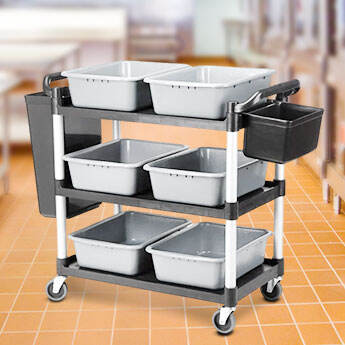
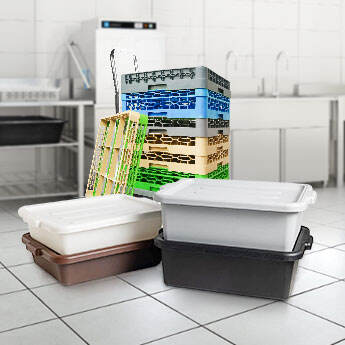
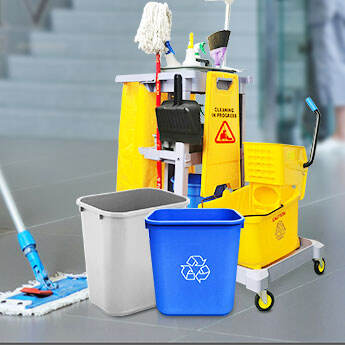
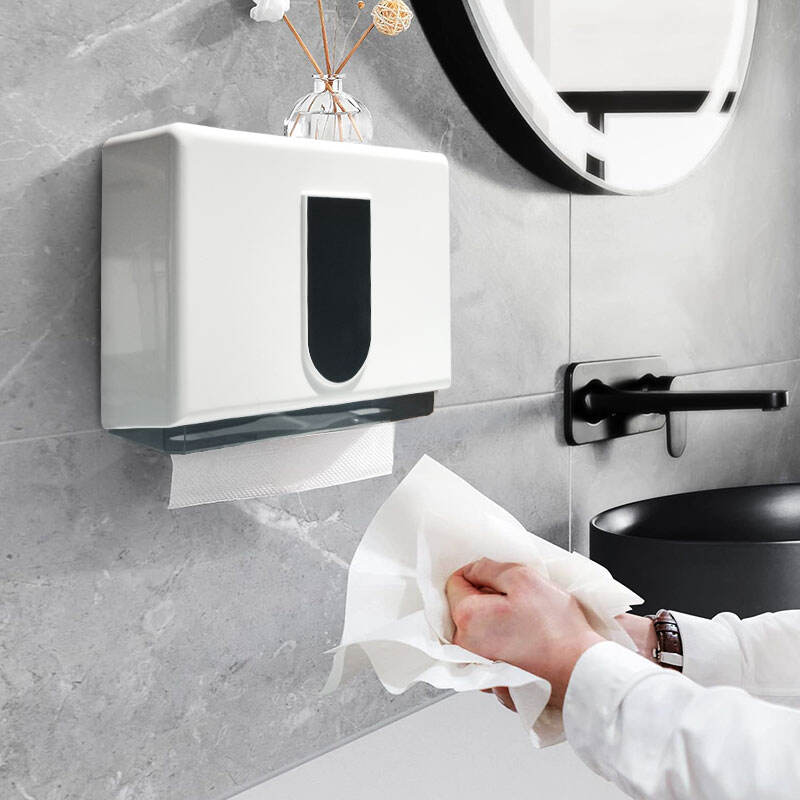
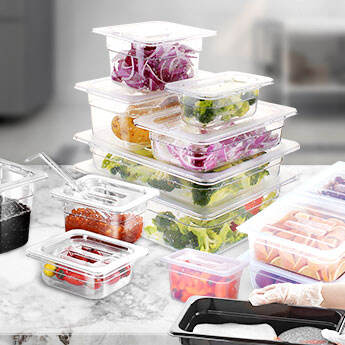
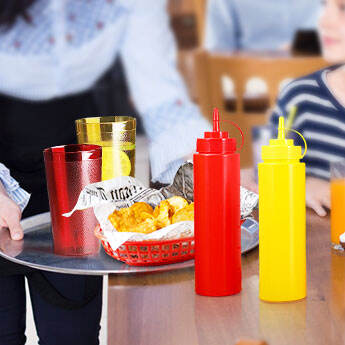
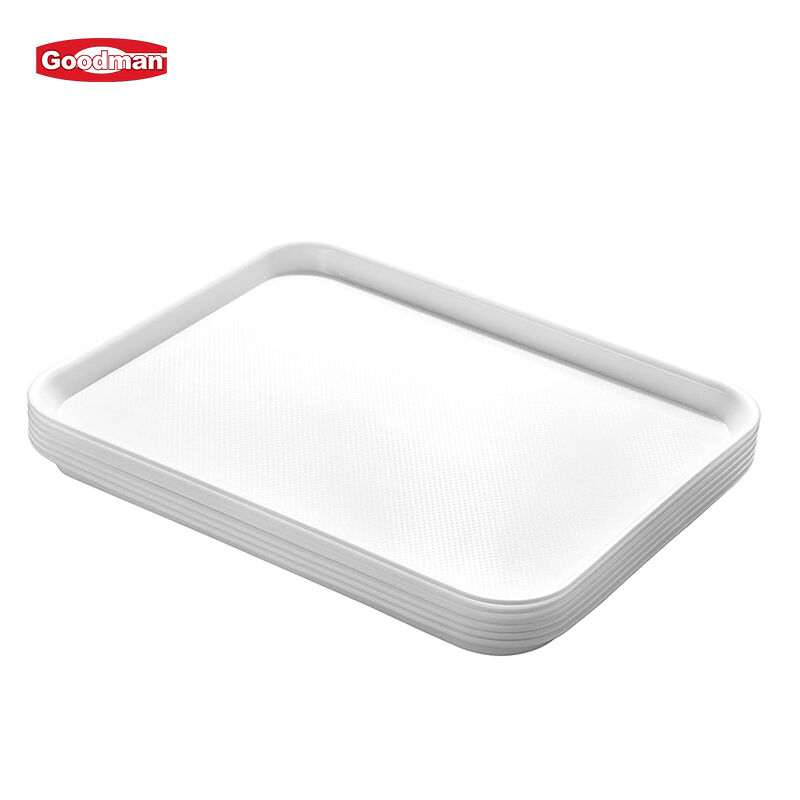
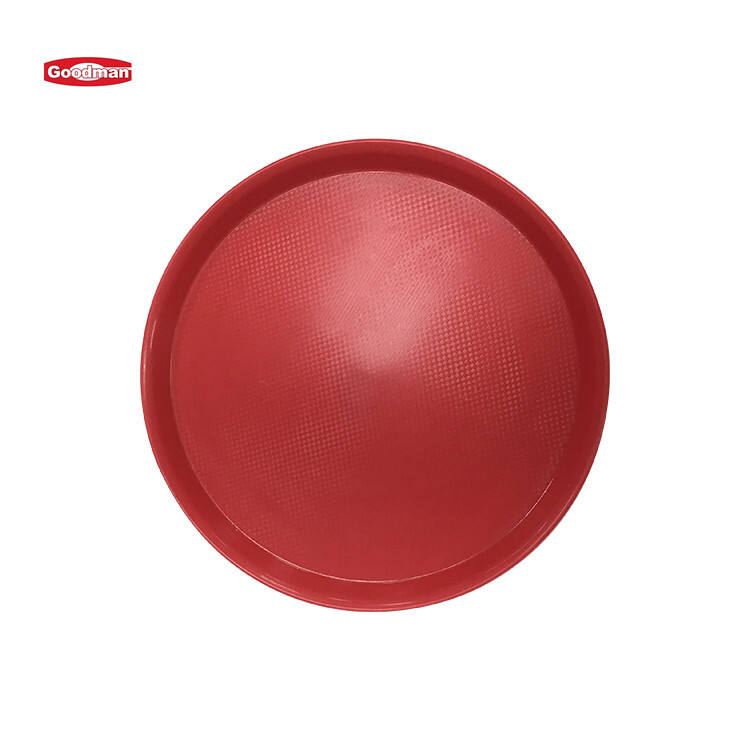
La fonctionnalité polyvalente et adaptée à divers environnements des plateaux de service en plastique modernes en fait des outils indispensables, capables de s'intégrer parfaitement à une grande variété de contextes et d'applications allant bien au-delà des rôles traditionnels du service alimentaire. Cette adaptabilité découle d'une conception réfléchie qui répond aux exigences variées des environnements résidentiels, commerciaux, sanitaires, éducatifs et extérieurs, tout en maintenant des normes de performance constantes dans toutes les applications. Dans les milieux résidentiels, le plateau de service en plastique constitue une solution élégante pour les dîners formels, les repas familiaux décontractés et les réceptions en plein air, avec un design esthétique qui s'harmonise avec la décoration intérieure contemporaine tout en offrant des avantages pratiques améliorant l'expérience d'accueil. Les cuisines commerciales profitent de la capacité du plateau à organiser les tâches de préparation des aliments, transporter les ingrédients entre les postes et faciliter des flux de service efficaces, augmentant ainsi la productivité opérationnelle. Les établissements de santé comptent sur des modèles spécialisés de plateaux en plastique qui respectent des exigences strictes d'hygiène, tout en offrant des options légères et sûres pour la distribution des repas aux patients et l'organisation du matériel médical. Les établissements éducatifs apprécient la durabilité et les caractéristiques de sécurité qui rendent les plateaux en plastique idéaux pour le service en cafétéria, l'organisation en laboratoire et les activités pédagogiques impliquant des aliments ou des matériaux créatifs. La planification d'événements en plein air exploite les propriétés résistantes aux intempéries des plateaux en plastique de qualité, permettant une prestation fiable par toutes conditions météorologiques, sans risque de dommages dus au vent, à l'absorption d'humidité ou aux variations de température. Les professionnels du traiteur valorisent la légèreté facilitant le transport ainsi que la possibilité d'empilement pour le stockage, réduisant ainsi la charge dans les véhicules et simplifiant les installations dans différents types de lieux. La nature non réactive des plastiques alimentaires garantit un contact sûr avec les aliments acides, les boissons chaudes et les produits chimiques de nettoyage couramment utilisés dans divers environnements. Des traitements de surface et des options de couleur spécialisés permettent une personnalisation selon les besoins spécifiques, allant des revêtements antimicrobiens pour les milieux médicaux aux couleurs vives destinées aux environnements d'accueil d'enfants. Le plateau en plastique s'adapte à des besoins organisationnels plus larges que le seul service alimentaire, servant de support d'exposition pour les présentations en vente au détail, de surface d'organisation pour fournitures de bureau, ou encore de poste de travail portable pour des activités manuelles et de loisirs. Sa tolérance aux températures permet son utilisation dans des environnements allant des zones de stockage frigorifiques aux espaces extérieurs chauds, sans altération de ses performances, tandis que sa résistance aux chocs assure un fonctionnement fiable dans les zones à fort trafic où les accidents sont fréquents.



 EN
EN