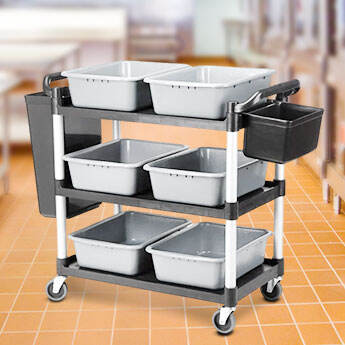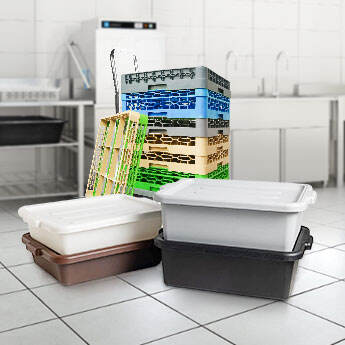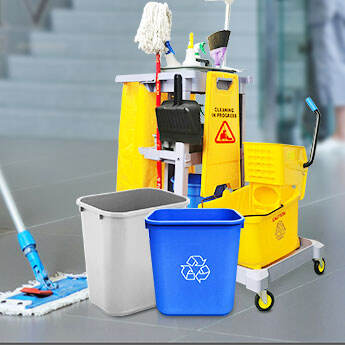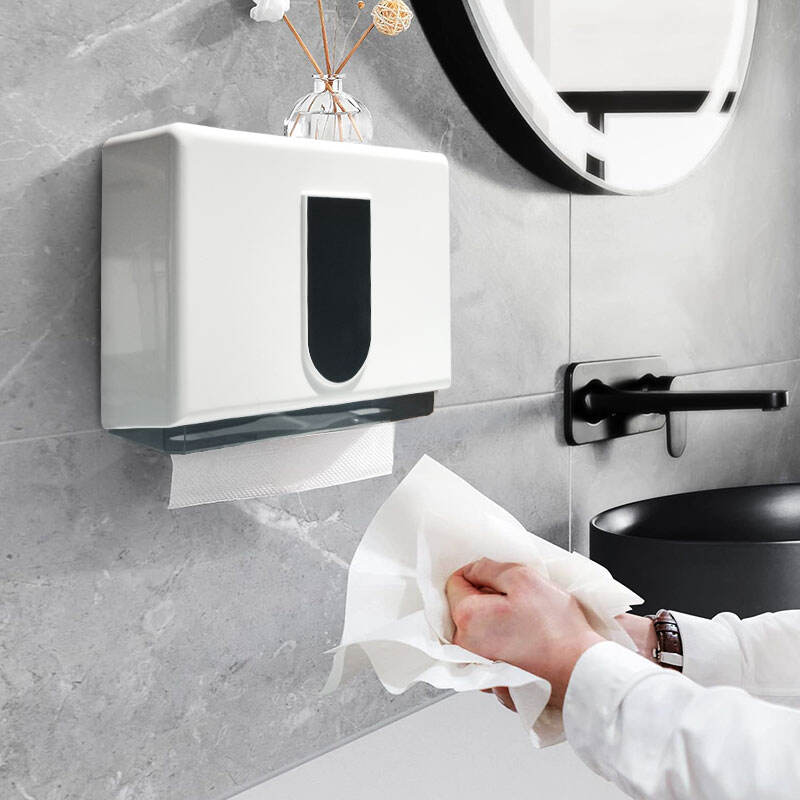
In the hospitality industry, maintaining a clean and hygienic environment is not only a basic requirement for guest satisfaction but also a key factor in complying with local health and safety regulations. Commercial cleaning supplies such as janitor trolley, mop bucket trolley, and commercial kitchen trash can are the backbone of daily cleaning operations in hotels and restaurants. However, the improper use of these supplies can lead to reduced cleaning efficiency, increased operational costs, and even potential health risks. This article will detail the professional usage requirements for these core hotel cleaning supplies, helping hotel managers and procurement personnel optimize cleaning processes and ensure compliance with industry standards.
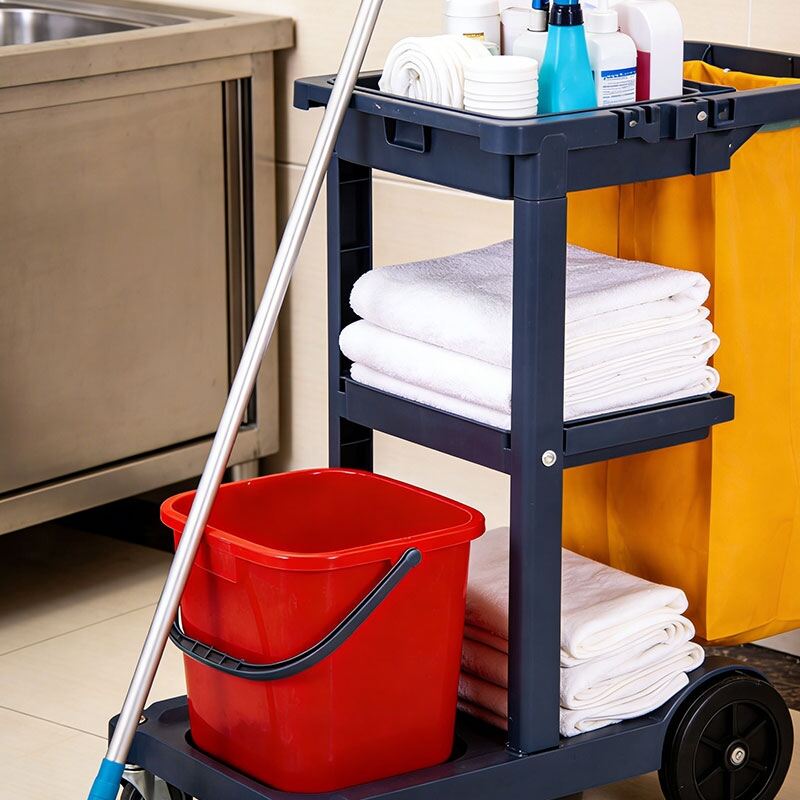
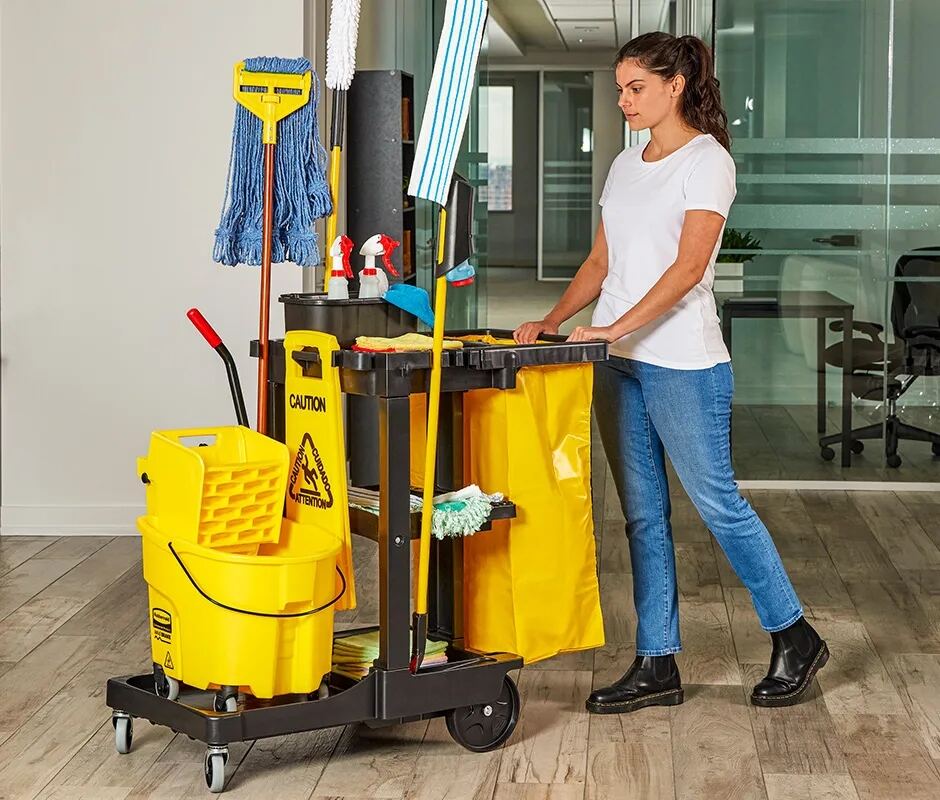
A janitor trolley is an indispensable tool for hotel housekeeping staff, as it integrates storage, transportation, and operation functions, greatly improving the efficiency of room and public area cleaning. To maximize its performance and extend its service life, the following usage requirements must be strictly followed.
Firstly, load distribution should be scientific and reasonable. The janitor trolley should not be overloaded, and heavy items such as cleaning detergents and large trash bags should be placed at the bottom of the trolley to lower the center of gravity and avoid tipping over during movement. Light items like cleaning cloths and toilet brushes should be placed in the upper storage compartments for easy access. It is recommended that the total load does not exceed the maximum bearing capacity specified by the product, which is usually marked on the trolley's nameplate. Overloading will not only damage the trolley's wheels and frame but also increase the labor intensity of cleaning staff.
Secondly, classification and storage of cleaning supplies must be standardized. Different types of cleaning agents (such as acidic, alkaline, and neutral detergents) should be placed in separate compartments of the janitor trolley and labeled clearly to prevent mixing, which may cause chemical reactions that reduce cleaning effectiveness or even produce harmful gases. Cleaning tools that come into contact with different areas (e.g., toilet brushes for restrooms and dusters for guest room furniture) should also be stored separately to avoid cross-contamination. Additionally, clean and used cleaning cloths should be placed in different containers on the trolley to ensure hygiene.
Thirdly, regular inspection and maintenance are essential. Before each use, check whether the janitor trolley's wheels are flexible, whether the brakes are effective, and whether there are any cracks or damages to the frame and compartments. If any abnormalities are found, repair or replace the parts in a timely manner. After use, clean the trolley thoroughly, remove any dirt or detergent residues, and dry it to prevent corrosion and mold growth. For hotels with large daily traffic, it is recommended to conduct a comprehensive maintenance check on the janitor trolley every month, including lubricating the wheels and tightening loose screws.
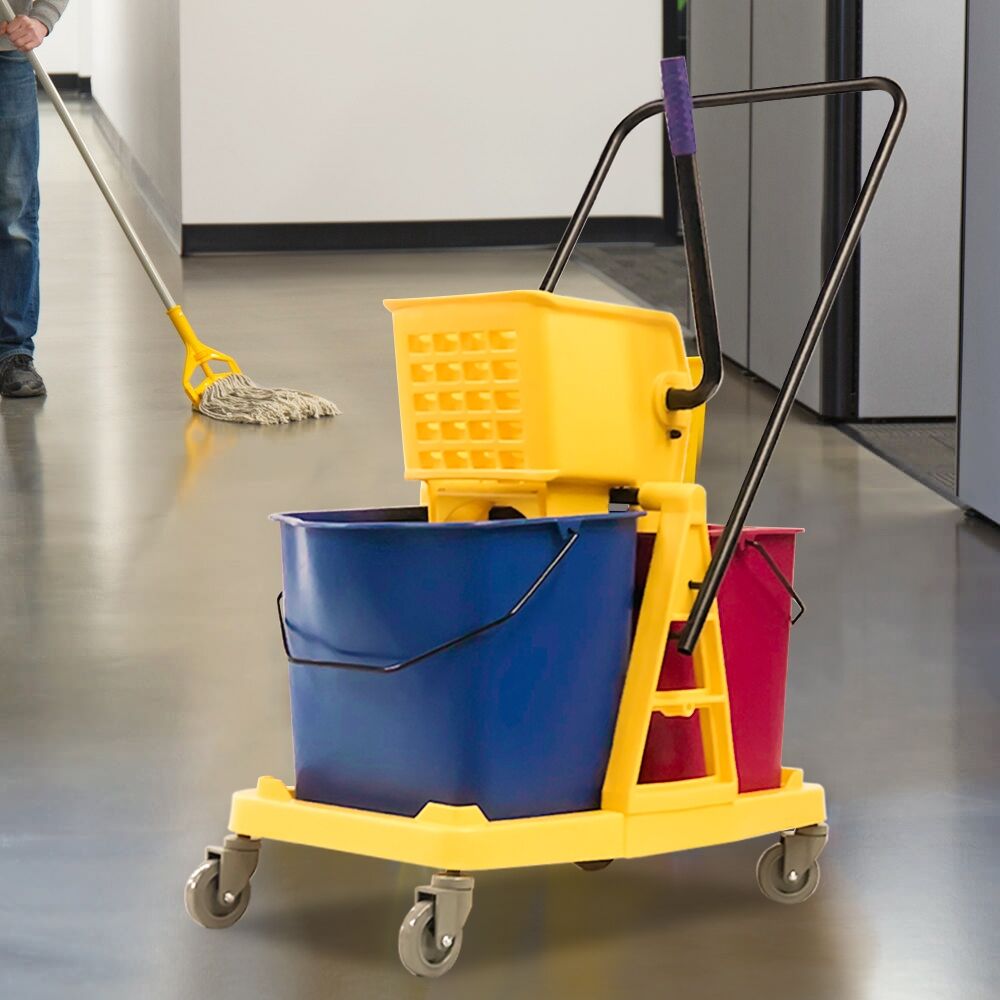
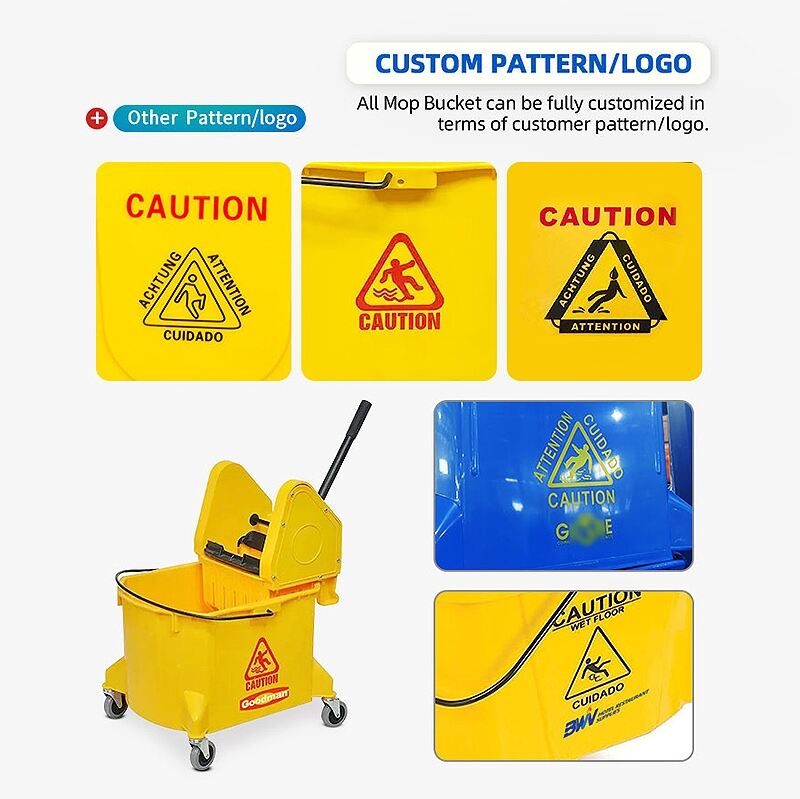
The mop bucket trolley is specifically designed for floor cleaning in hotels, integrating functions such as mopping, wringing, and water storage. Its correct use is crucial for ensuring floor cleaning quality and preventing cross-contamination between different areas. The following usage requirements should be adhered to.
Firstly, water replacement and cleaning solution configuration must be standardized. When using the mop bucket trolley, it is necessary to replace the cleaning water in a timely manner. Generally, the water should be replaced after mopping 2-3 guest rooms or a 50-square-meter public area to avoid using dirty water that may leave stains or spread bacteria on the floor. When configuring the cleaning solution, strictly follow the product instructions to control the concentration. Excessive concentration will not only increase cleaning costs but also cause damage to the floor (such as corrosion of marble floors), while insufficient concentration will affect the cleaning effect. It is recommended to use a measuring cup to accurately proportion the cleaning solution and stir it evenly in the mop bucket trolley.
Secondly, the wringing function should be used correctly. The mop bucket trolley is usually equipped with a wringing device (manual or foot-operated), which should be used to fully wring the mop before mopping to avoid excessive water accumulation on the floor, which may cause guests to slip and fall. After wringing, check the mop head to ensure that there is no excess water dripping. For different types of floors (such as wooden floors and tile floors), adjust the wringing degree according to the floor's water resistance to prevent damage.
Thirdly, regional division and tool specialization are required. Similar to the janitor trolley, the mop bucket trolley should be used in designated areas. For example, separate mop bucket trolleys should be prepared for guest rooms, corridors, restrooms, and kitchens to avoid cross-contamination between clean and dirty areas. After use, the mop bucket trolley should be thoroughly cleaned, including the bucket, wringing device, and wheels. The mop head should be removed and cleaned separately, and dried in a well-ventilated area to prevent mold growth. Regularly check the trolley's water leakage situation and repair any damaged seals in a timely manner.
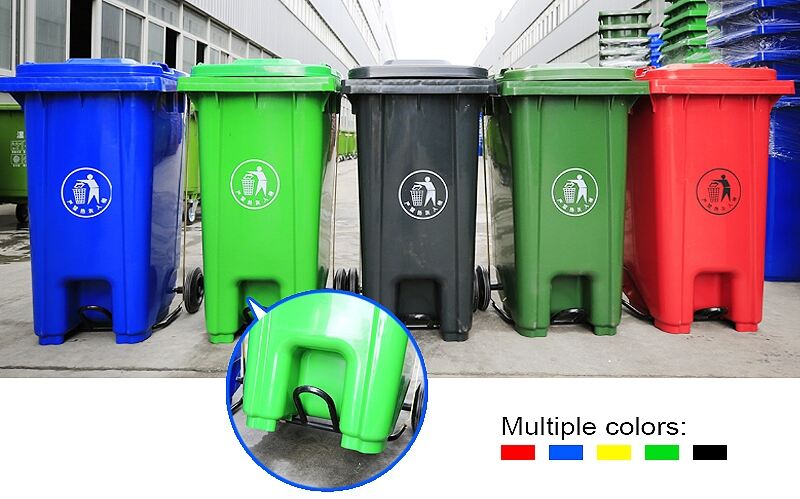
The commercial kitchen trash can is an important part of hotel restaurant hygiene management, as it is responsible for collecting kitchen waste such as food residues and packaging materials. Improper use can easily lead to odor, pest infestation, and food safety hazards. The following usage requirements must be strictly implemented.
Firstly, selection of appropriate specifications and materials. The commercial kitchen trash can should be selected according to the daily waste output of the kitchen. For large hotels with high food processing volume, large-capacity trash cans (50L or more) should be used, while small restaurants can choose medium-sized (30-50L) ones. The material should be corrosion-resistant, high-temperature resistant, and easy to clean, such as food-grade plastic or stainless steel. It is not recommended to use trash cans made of easily damaged materials, as they may leak waste and cause pollution.
Secondly, sealing and regular emptying are mandatory. The commercial kitchen trash can must be equipped with a tight-fitting lid to prevent odor emission and the entry of flies, cockroaches, and other pests. Trash bags should be used to line the trash can, and the bags should be selected according to the size of the trash can to avoid leakage. The trash can should be emptied regularly: general kitchen waste should be emptied at least twice a day, and perishable food residues should be emptied in a timely manner (preferably after each meal) to prevent spoilage and odor. When emptying, the trash bag should be tied tightly to avoid spillage during transportation.
Thirdly, thorough cleaning and disinfection are essential. After emptying the commercial kitchen trash can, it should be cleaned immediately with warm water and detergent to remove any remaining food residues and stains. For stubborn stains, a brush can be used to scrub. After cleaning, disinfect the trash can with a food-safe disinfectant (such as 84 disinfectant diluted according to the ratio) and then rinse it with clean water and dry it. The area around the trash can should also be cleaned regularly to prevent waste accumulation. It is recommended to conduct a comprehensive disinfection of the trash can once a week to ensure hygiene.
In addition to following correct usage requirements, selecting high-quality and suitable cleaning supplies is also crucial for hotel operations. For hotel managers and procurement personnel, the following factors should be considered when procuring janitor trolley, mop bucket trolley, and commercial kitchen trash can.
Firstly, product quality and durability. High-quality cleaning supplies can reduce the frequency of replacement and maintenance, thereby lowering long-term operational costs. It is recommended to choose products from manufacturers with large-scale production capabilities, as they usually have stricter quality control standards. Large factories can rely on scale effects to ensure product quality while optimizing production processes to enhance product durability.
Secondly, cost-effectiveness. Price is an important factor in procurement, but it should not be the sole criterion. Manufacturers with scale effects can reduce production costs through centralized procurement of raw materials and automated production lines, providing products with obvious price advantages under the premise of ensuring quality. This allows hotels to save procurement costs while obtaining reliable products.
Thirdly, one-stop procurement capability. Choosing a manufacturer that can provide a full range of cleaning supplies for the same scenario (such as integrating janitor trolley, mop bucket trolley, commercial kitchen trash can, and other related products) can greatly simplify the procurement process. One-stop procurement not only saves time and energy spent on communicating with multiple suppliers but also reduces transportation costs and ensures the compatibility and consistency of products used in the same scenario.
Fourthly, production and delivery speed. Hotels often have urgent procurement needs due to sudden increases in business volume or equipment damage. Manufacturers with large-scale production lines can ensure fast production and delivery, avoiding delays in cleaning operations caused by insufficient supplies.
The correct use of commercial hotel cleaning supplies such as janitor trolley, mop bucket trolley, and commercial kitchen trash can is the foundation of maintaining a clean, hygienic, and safe hotel environment. By following the professional usage requirements detailed in this article, hotels can improve cleaning efficiency, reduce operational risks, and enhance guest satisfaction. At the same time, when procuring these supplies, choosing manufacturers with scale-effect advantages, one-stop procurement capabilities, and reliable quality and delivery speed can help hotels achieve cost savings and operational optimization. In the competitive hospitality industry, paying attention to the details of cleaning supply usage and procurement will become an important part of improving the core competitiveness of hotels.
 EN
EN