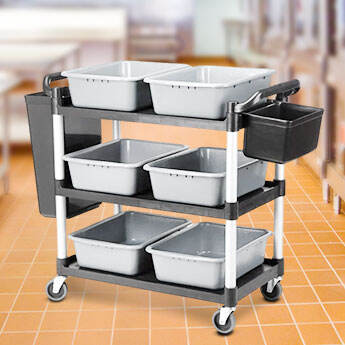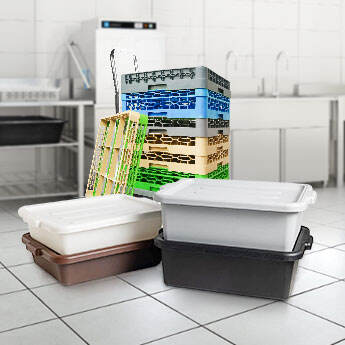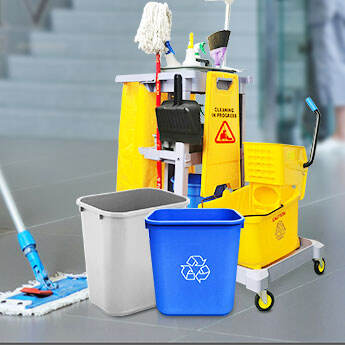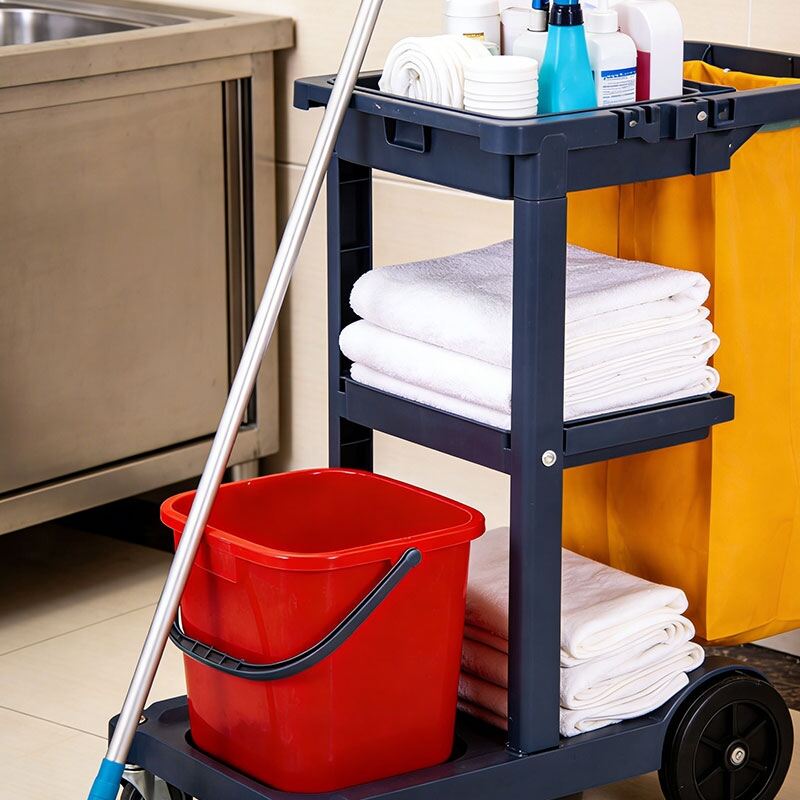
In the operation and management of hotels and restaurants, maintaining a clean and hygienic environment is essential for delivering superior customer experiences and upholding brand reputation. This imperative has fueled substantial global demand for high-quality cleaning equipment, particularly in mature markets such as the United States and Europe. Core items including janitor trolleys, mop bucket trolleys, and commercial kitchen trash cans are indispensable components of daily sanitation operations. However, international buyers involved in the hospitality supply chain frequently encounter significant challenges when sourcing these products from multiple suppliers—challenges that include elevated communication costs, extended procurement cycles, and inconsistent quality control. In contrast, adopting a one-stop procurement solution for scenario-specific cleaning products offers a strategic alternative that effectively addresses these pain points, enabling greater efficiency, reliability, and cost savings.
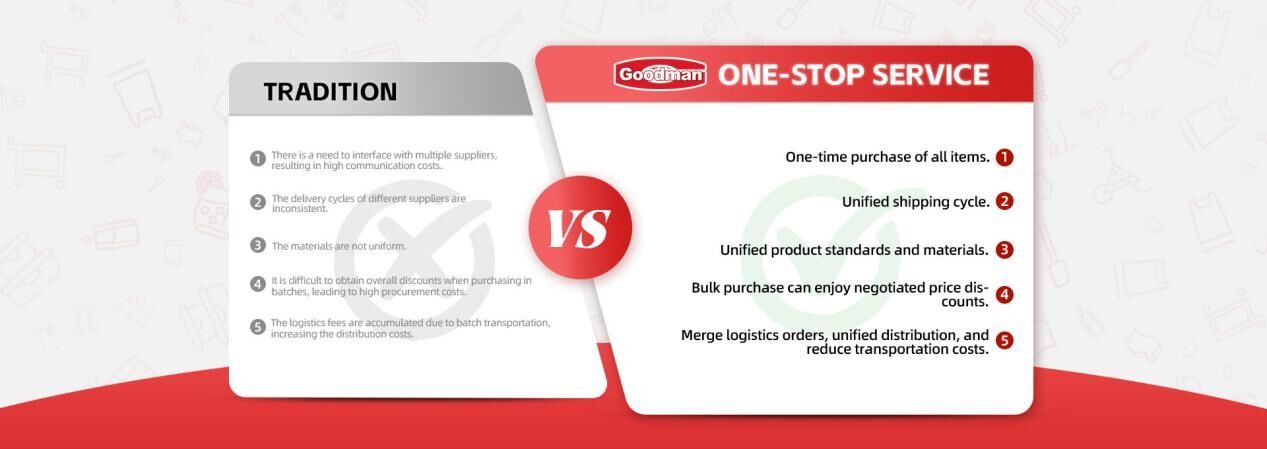
The drawbacks associated with multi-supplier procurement have become increasingly evident, often acting as a bottleneck to operational efficiency. First, communication overhead is considerable. When sourcing janitor trolleys from one supplier, mop bucket trolleys from another, and commercial kitchen trash cans from a third, buyers must establish and maintain separate communication channels with each party. Given the differences in language, cultural norms, and business practices between Western markets and manufacturing regions such as China, miscommunication risks are heightened. Buyers may need to repeatedly clarify technical specifications, performance requirements, packaging standards, and delivery timelines across multiple platforms. Simultaneously, they must manage disparate feedback loops, quotation formats, and contractual terms. This fragmented approach not only consumes valuable time and human resources but also increases the likelihood of information discrepancies, potentially compromising order accuracy and project timelines.
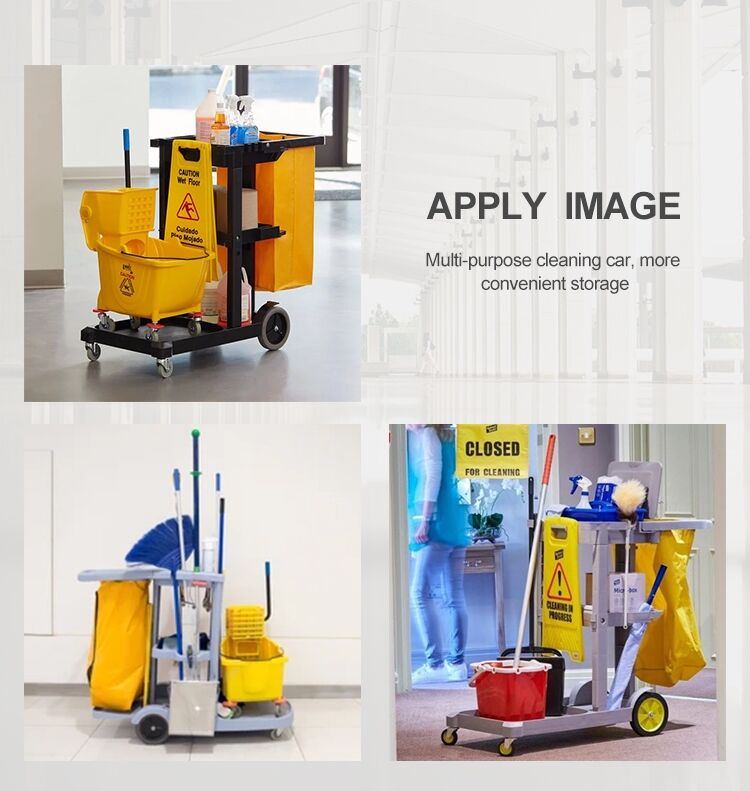
Second, the time required for multi-source procurement is difficult to predict and manage. Each supplier operates under distinct production schedules, inventory capacities, and logistics frameworks. After placing orders across several vendors, buyers are responsible for independently tracking the progress of each component—such as the manufacturing status of janitor trolleys, shipping arrangements for mop bucket trolleys, and material sourcing for commercial kitchen trash cans. Any delay at a single point—be it production setbacks, quality rework, or logistical disruptions—can cascade into delays across the entire procurement timeline. For hotel and foodservice operators facing urgent deployment needs, such setbacks may directly impact facility readiness and service continuity. Furthermore, the administrative burden of negotiating individual contracts, coordinating payment terms, and reconciling invoices across multiple entities further erodes procurement efficiency.
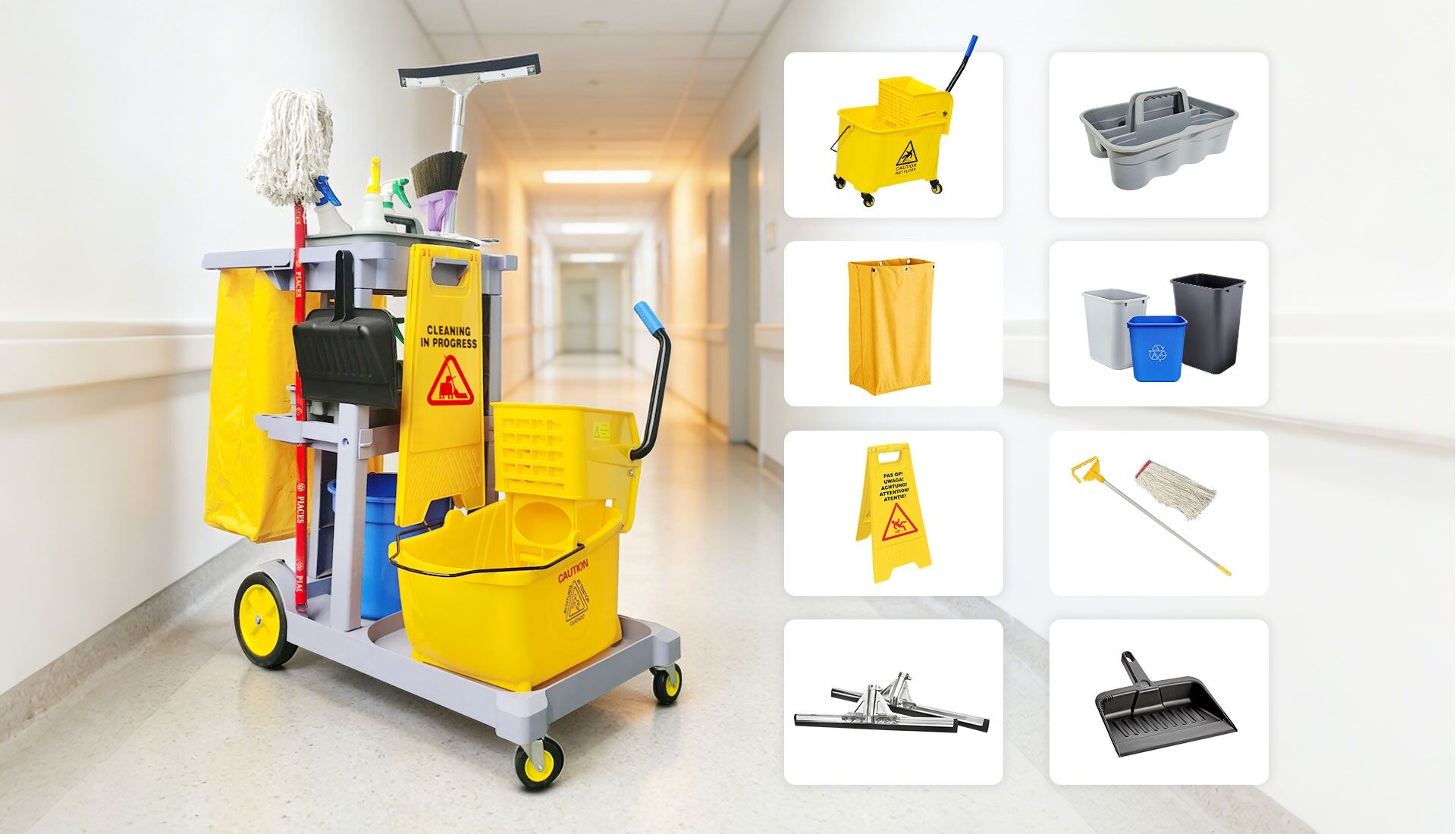
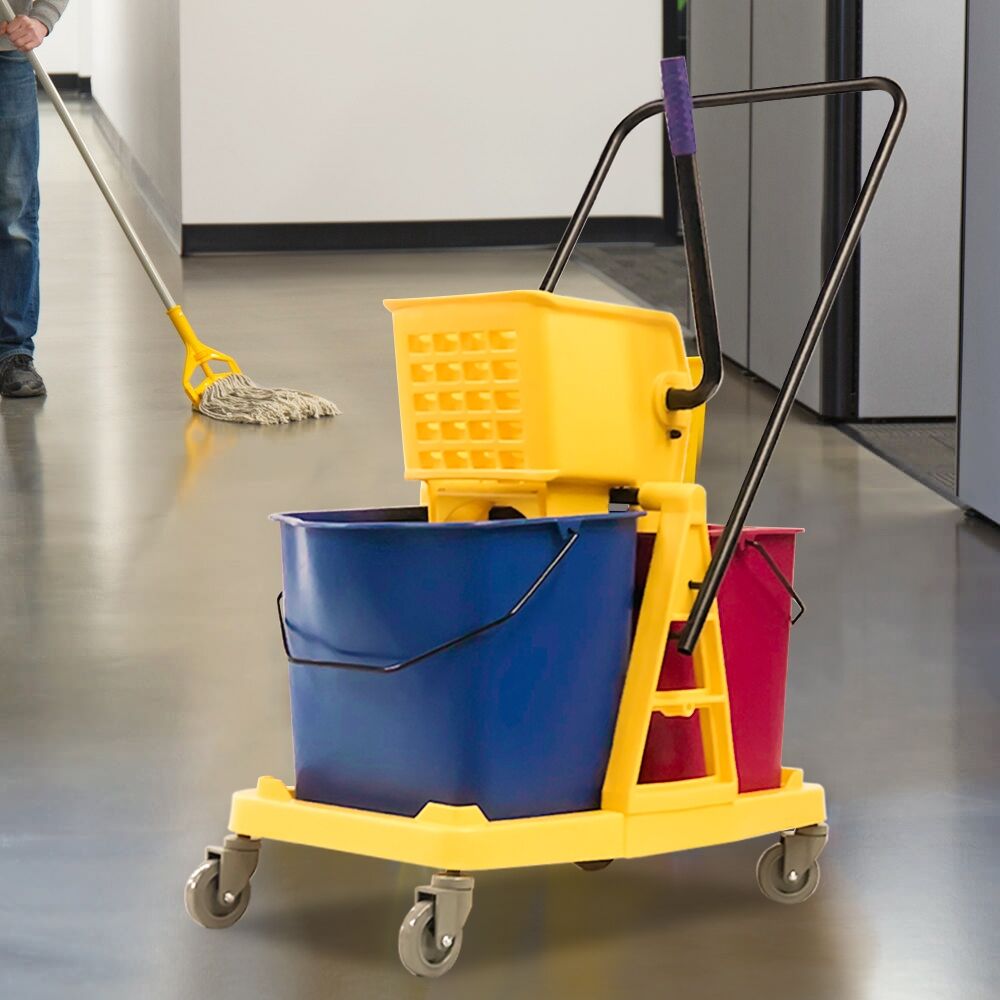
Perhaps the most critical concern for buyers is the challenge of ensuring consistent product quality. Suppliers vary significantly in their manufacturing processes, raw material sourcing, quality assurance protocols, and compliance standards. Even with clearly defined buyer specifications, achieving uniformity across products from different manufacturers remains difficult. For instance, a janitor trolley from one supplier may demonstrate robust structural integrity and long-term durability, while a mop bucket trolley from another may suffer from unstable casters or inadequate corrosion resistance. Similarly, commercial kitchen trash cans may differ in wall thickness, sealing effectiveness, and environmental compliance. Such inconsistencies not only undermine cleaning performance and equipment lifespan but also increase maintenance frequency and replacement expenses. For buyers in regulated markets like the U.S. and EU—where safety, ergonomics, and sustainability standards are strictly enforced—variable quality poses significant operational and reputational risks.
To address these challenges, one-stop procurement of integrated cleaning solutions has emerged as a strategic imperative for global buyers. A professional platform that consolidates scenario-specific products—including janitor trolleys, mop bucket trolleys, and commercial kitchen trash cans—enables buyers to streamline their sourcing strategy and eliminate the complexities of managing multiple vendors. The primary advantage of this model lies in process simplification: buyers engage with a single point of contact to fulfill their complete range of cleaning equipment needs within the hospitality and food service sectors. This centralized approach minimizes communication effort, reduces coordination errors, and enhances transparency throughout the procurement life cycle.
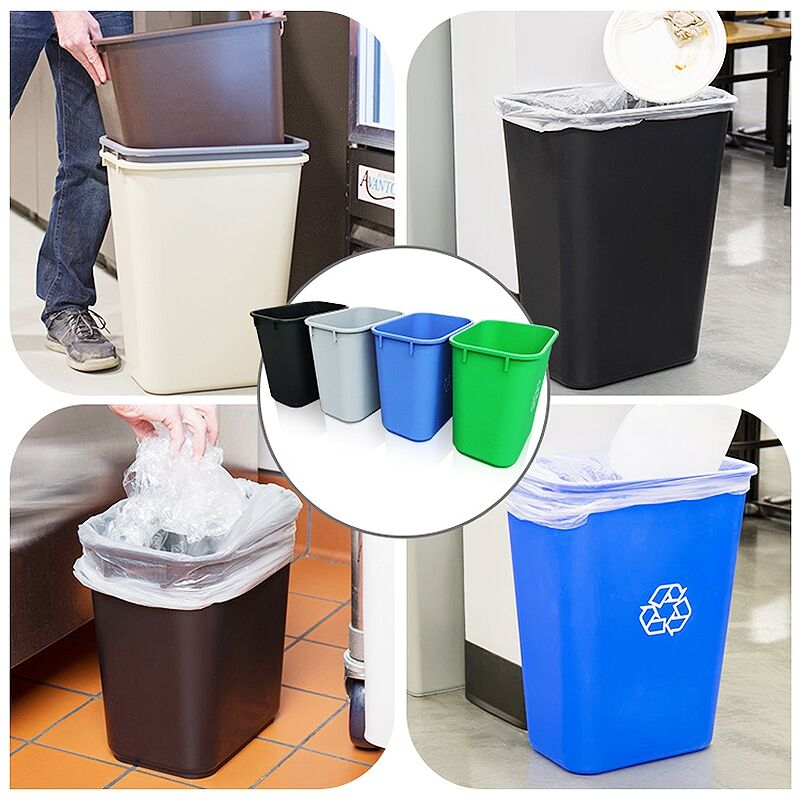
Beyond reducing administrative and temporal burdens, one-stop procurement also ensures greater consistency in product quality and compliance. By sourcing all items from an integrated supply system, buyers benefit from standardized manufacturing controls, unified quality inspections, and cohesive technical support. This not only improves product interoperability and longevity but also strengthens supply chain resilience and accountability.
 EN
EN