Commercial Ingredient Bins: Professional Food Storage Solutions for Enhanced Kitchen Efficiency

commercial ingredient bins

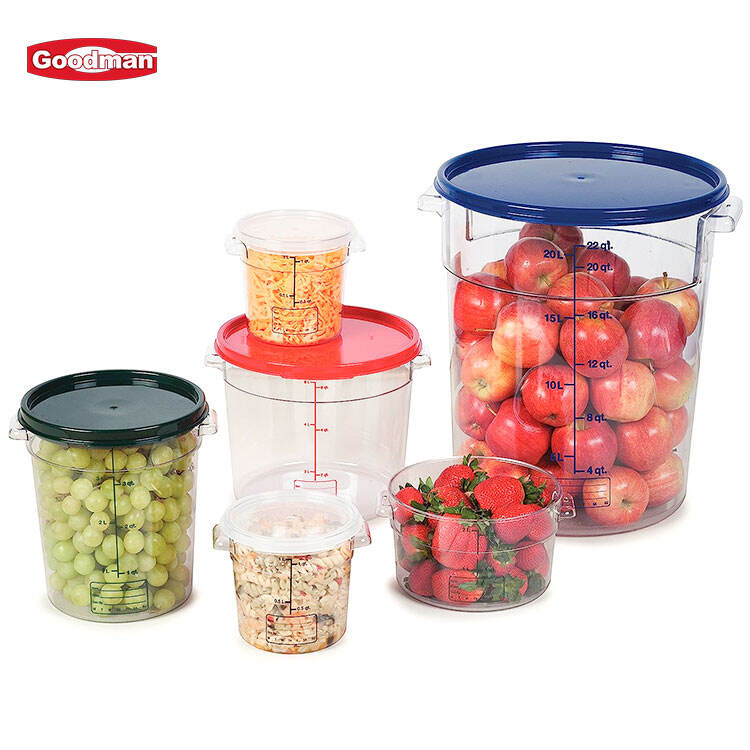
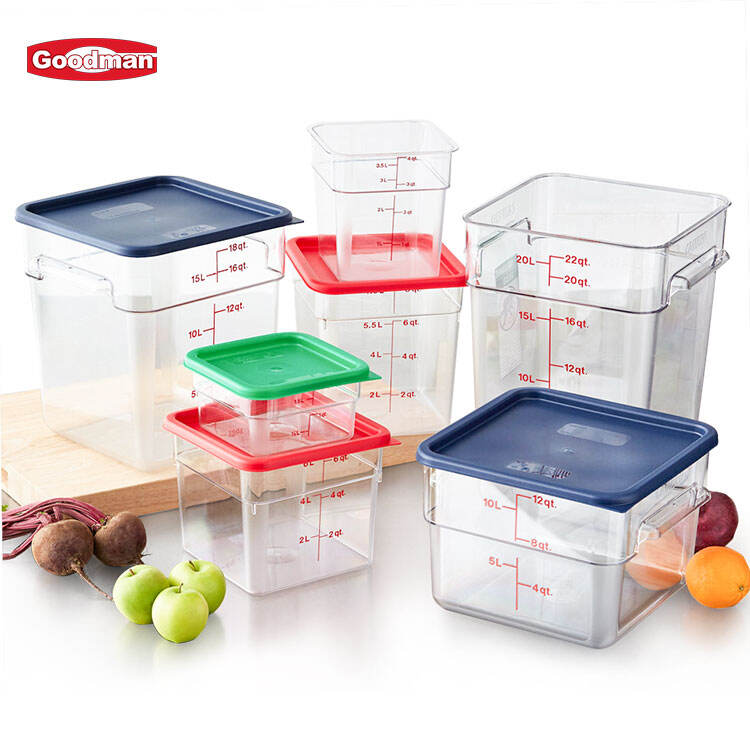
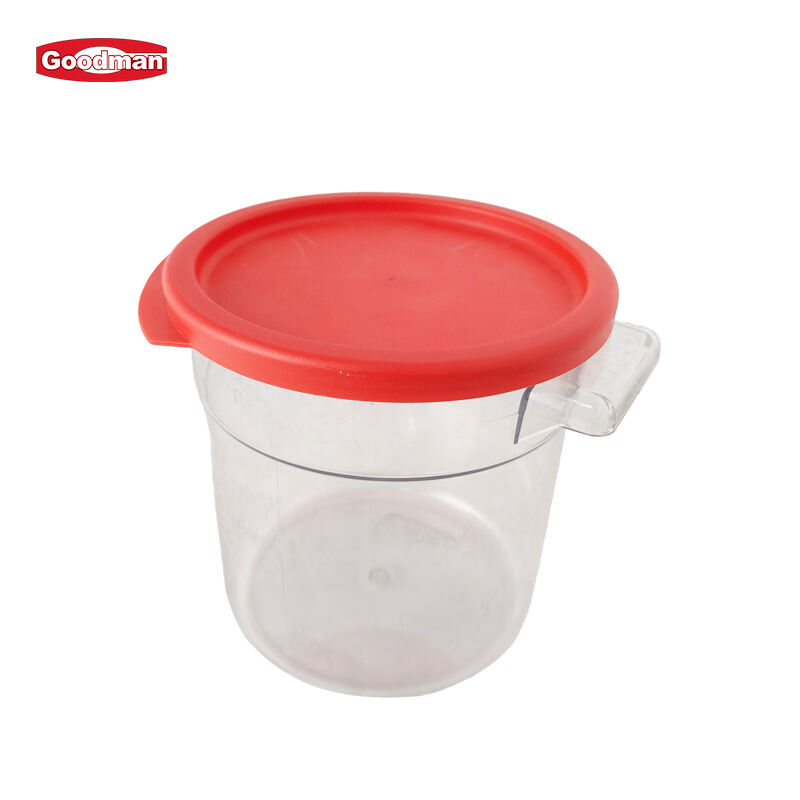
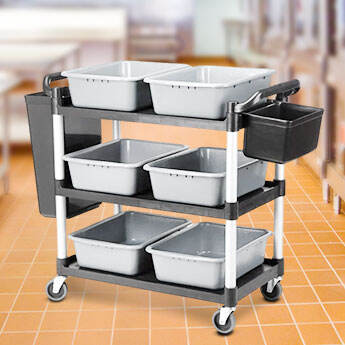
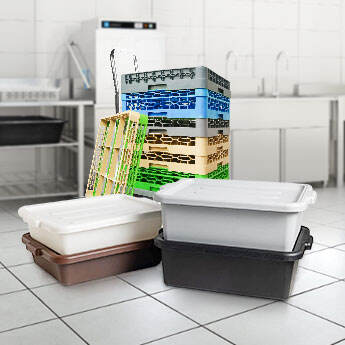
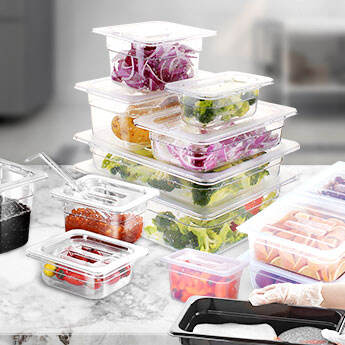
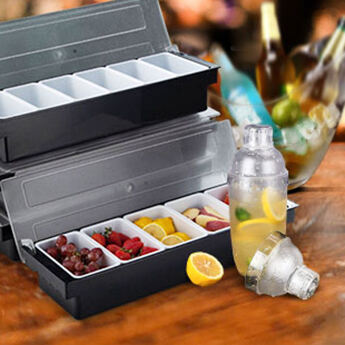
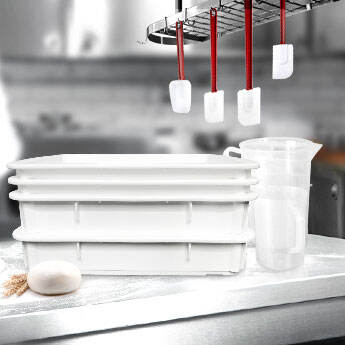
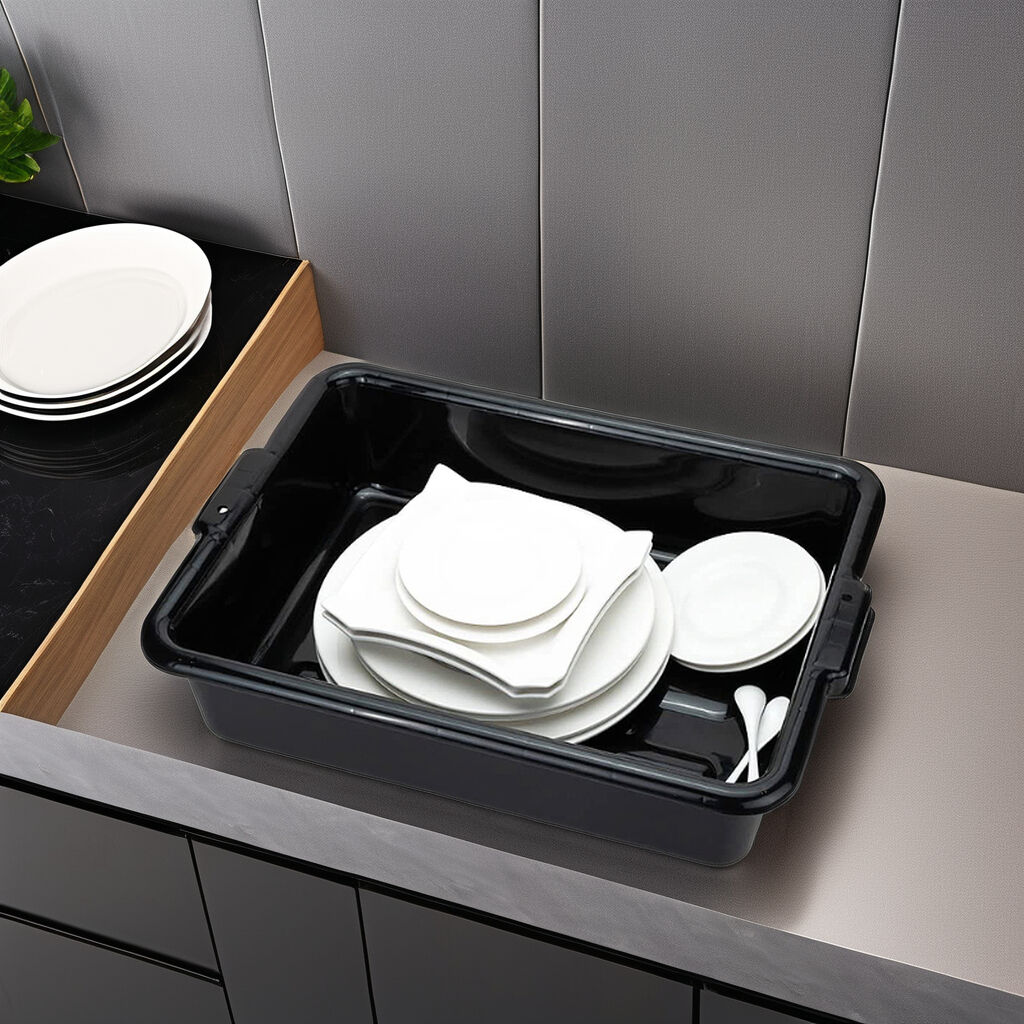
Commercial ingredient bins represent essential storage solutions designed specifically for food service establishments, manufacturing facilities, and large-scale culinary operations. These specialized containers provide secure, hygienic, and efficient storage for dry ingredients, powders, grains, and various food components used in high-volume production environments. Commercial ingredient bins feature robust construction materials, typically manufactured from food-grade plastics or stainless steel, ensuring durability and compliance with health regulations. The primary function of these storage systems centers on maintaining ingredient freshness while facilitating easy access and portion control during busy operational periods. Modern commercial ingredient bins incorporate advanced sealing mechanisms that prevent moisture infiltration, pest contamination, and cross-contamination between different stored materials. Many models include transparent viewing windows or clear construction materials, allowing staff members to monitor inventory levels without opening containers. The technological features of contemporary commercial ingredient bins extend beyond basic storage capabilities. Advanced models integrate measuring systems, graduated markings, and portion control mechanisms that streamline ingredient management processes. Some units feature tilting mechanisms or angled bottoms that promote complete ingredient dispensing, reducing waste and ensuring maximum utilization. Mobile versions include heavy-duty casters or wheels, enabling staff to transport ingredients directly to preparation areas or production lines. Temperature-resistant materials allow these bins to function effectively in various environmental conditions, from walk-in coolers to heated kitchen environments. Applications for commercial ingredient bins span across diverse industries including restaurants, bakeries, pizza establishments, cafeterias, catering companies, and food processing facilities. These versatile storage solutions accommodate ingredients ranging from flour and sugar to spices, nuts, and specialty dry goods, making them indispensable tools for maintaining organized, efficient, and sanitary food preparation operations.

New Products

Commercial ingredient bins deliver substantial operational benefits that directly impact business efficiency and profitability. These storage solutions eliminate the chaos and inefficiency associated with traditional ingredient storage methods, replacing cardboard boxes and flimsy containers with professional-grade systems that withstand demanding commercial environments. Restaurant owners and kitchen managers experience immediate improvements in workflow organization, as ingredients become easily accessible and clearly visible through transparent materials or labeling systems. The time savings achieved through streamlined ingredient access translates into faster food preparation, reduced labor costs, and improved service delivery during peak operational hours. Food safety represents another critical advantage of commercial ingredient bins, as these containers create protective barriers against contamination sources including moisture, pests, and airborne contaminants. The airtight sealing mechanisms preserve ingredient quality for extended periods, reducing spoilage rates and minimizing food waste that directly affects bottom-line profitability. Kitchen staff can maintain consistent portion control through integrated measuring features, ensuring recipe accuracy and controlling food costs across all menu items. The mobility features of wheeled commercial ingredient bins enable staff to bring ingredients directly to preparation stations, reducing trips back and forth to storage areas and minimizing physical strain on employees. Space optimization becomes achievable through stackable designs and compact footprints that maximize storage capacity within limited kitchen real estate. Cleaning and maintenance requirements remain minimal due to smooth, non-porous surfaces that resist bacterial growth and facilitate thorough sanitization procedures. The professional appearance of commercial ingredient bins enhances kitchen organization and demonstrates commitment to food safety standards during health inspections. Long-term cost savings emerge through reduced ingredient waste, improved inventory management, and decreased replacement costs compared to disposable or temporary storage solutions. These durable containers withstand years of heavy use, making them sound investments that deliver consistent returns through enhanced operational efficiency and reduced ongoing storage expenses.

Tips And Tricks

Heartwarming Mid - Autumn Festival reunion dinner

12

Feb

Heartwarming Mid - Autumn Festival reunion dinner

View More
Best Wish to All

12

Feb

Best Wish to All

View More
The Unforgettable Annual Party of Our Company in 2025

12

Feb

The Unforgettable Annual Party of Our Company in 2025

View More
Essential Usage Requirements for Commercial Hotel Cleaning Supplies

04

Jan

Essential Usage Requirements for Commercial Hotel Cleaning Supplies

View More

Get a Free Quote

Our representative will contact you soon.
Email
Phone/WhatsApp/WeChat
Name
Company Name
Message
0/1000

commercial ingredient bins

Advanced Sealing Technology for Maximum Freshness Protection

Advanced Sealing Technology for Maximum Freshness Protection

Commercial ingredient bins incorporate sophisticated sealing technologies that create airtight barriers protecting stored ingredients from environmental factors that compromise quality and shelf life. These advanced sealing systems utilize multi-point locking mechanisms, gasket-reinforced lids, and precision-engineered closures that eliminate air gaps where moisture and contaminants typically penetrate traditional storage containers. The engineering behind these sealing technologies focuses on maintaining consistent internal atmospheric conditions, preventing oxidation processes that degrade ingredient quality over time. Professional-grade gaskets made from food-safe materials create perfect seals that withstand repeated opening and closing cycles without losing effectiveness. The moisture barrier properties of these sealing systems prove particularly valuable for hygroscopic ingredients like flour, sugar, and salt that absorb atmospheric moisture leading to clumping, spoilage, and reduced usability. Restaurants and food service operations benefit significantly from these sealing technologies through extended ingredient shelf life, reduced waste disposal costs, and consistent ingredient quality that ensures reliable recipe outcomes. The airtight environment created by advanced sealing prevents pest infiltration, eliminating costly contamination issues that force businesses to discard entire ingredient batches. Commercial kitchens operating in humid environments find these sealing technologies especially beneficial, as they maintain ingredient integrity regardless of external atmospheric conditions. The economic impact of superior sealing technology extends beyond ingredient preservation, as businesses reduce purchasing frequency, lower storage costs, and maintain consistent menu quality that builds customer satisfaction and repeat business. Quality assurance becomes simplified when ingredients maintain consistent characteristics, allowing kitchen staff to produce standardized menu items without adjusting recipes to compensate for degraded ingredient quality.
Ergonomic Design Features for Enhanced Workplace Safety

Ergonomic Design Features for Enhanced Workplace Safety

Commercial ingredient bins prioritize ergonomic design principles that reduce workplace injuries and improve staff productivity through thoughtful engineering focused on human factors and operational efficiency. These containers feature strategically positioned handles, optimal height dimensions, and user-friendly access mechanisms that minimize physical strain during daily ingredient handling tasks. The handle placement and grip design accommodate various hand sizes and lifting techniques, distributing weight evenly to prevent repetitive stress injuries common in high-volume food service environments. Tilting mechanisms integrated into many commercial ingredient bins enable staff to access ingredients without bending, reaching, or adopting awkward postures that contribute to back injuries and musculoskeletal disorders. The smooth, rounded edges eliminate sharp corners and rough surfaces that pose injury risks during rapid-paced kitchen operations. Lightweight construction materials reduce the overall weight of loaded containers, making transportation and handling manageable for staff members of varying physical capabilities. Anti-slip base materials and stable footprint designs prevent accidental tipping or sliding during ingredient dispensing, reducing spill-related slip hazards that commonly occur in busy commercial kitchens. Clear sight lines and transparent construction materials allow staff to identify contents quickly without lifting or moving containers unnecessarily, reducing physical exertion and time spent searching for specific ingredients. The ergonomic benefits extend to cleaning and maintenance procedures, as accessible surfaces and removable components facilitate thorough sanitization without requiring staff to contort into uncomfortable positions. Mobile versions feature smooth-rolling casters with appropriate wheel sizes that enable effortless movement across various floor surfaces without excessive pushing or pulling forces. These ergonomic considerations translate directly into reduced worker compensation claims, decreased staff turnover, improved employee satisfaction, and enhanced operational productivity as staff can work more efficiently with less physical fatigue throughout demanding shifts.
Integrated Portion Control Systems for Cost Management

Integrated Portion Control Systems for Cost Management

Commercial ingredient bins equipped with integrated portion control systems revolutionize cost management and recipe consistency by providing precise measuring capabilities that eliminate guesswork and reduce waste in high-volume food preparation environments. These sophisticated systems incorporate graduated measuring scales, portion dispensing mechanisms, and volume control features that enable kitchen staff to extract exact ingredient quantities required for specific recipes without over-portioning or under-portioning that affects food costs and product quality. The measuring accuracy achieved through these integrated systems ensures consistent recipe outcomes, maintaining the flavor profiles and portion sizes that customers expect while controlling ingredient costs that directly impact profit margins. Built-in measuring capabilities eliminate the need for separate measuring tools, reducing cross-contamination risks and streamlining workflow efficiency during busy preparation periods. The portion control mechanisms prevent accidental over-dispensing that commonly occurs with traditional storage methods, where staff pour ingredients directly from bags or boxes without precise measurement control. Advanced models feature adjustable dispensing settings that accommodate different recipe requirements, allowing kitchen staff to pre-set portion sizes for frequently prepared menu items. The economic benefits of integrated portion control extend beyond immediate cost savings, as consistent portioning enables accurate food cost calculations, improved inventory forecasting, and better profit margin analysis across menu categories. Training requirements for kitchen staff decrease significantly when portion control systems provide clear visual indicators and foolproof dispensing mechanisms that eliminate measuring errors. Quality control becomes more manageable when ingredient portions remain consistent, reducing customer complaints related to taste variations and portion inconsistencies that damage restaurant reputation and customer loyalty. The data collection capabilities of some advanced portion control systems enable managers to track ingredient usage patterns, identify cost-saving opportunities, and optimize menu pricing strategies based on actual ingredient consumption rather than estimated usage calculations.