Professional Dough Mixer Equipment - Commercial Bakery Solutions for Consistent Results

dough mixer

A dough mixer represents an essential piece of equipment in commercial and industrial baking operations, designed to efficiently combine flour, water, yeast, and other ingredients into uniform, well-developed dough. This sophisticated machinery automates the traditional mixing process, ensuring consistent results while significantly reducing manual labor requirements. Modern dough mixer units incorporate advanced engineering principles to deliver optimal mixing performance across various dough types, from delicate pastries to robust bread formulations. The equipment features a robust construction with stainless steel components that meet food safety standards and withstand continuous operation in demanding production environments. Key technological features include variable speed controls that allow operators to adjust mixing intensity according to specific recipe requirements, ensuring proper gluten development without overworking the dough. Temperature monitoring systems prevent excessive heat buildup during mixing, preserving ingredient integrity and fermentation potential. Safety mechanisms such as emergency stops and protective guards ensure operator protection during operation. The mixing bowl capacity varies from compact countertop models suitable for small bakeries to large-scale industrial units capable of handling hundreds of pounds of dough per batch. Spiral mixing arms or planetary attachments provide thorough ingredient incorporation while maintaining dough structure. Applications span across commercial bakeries, pizzerias, restaurants, institutional kitchens, and large-scale food production facilities. The dough mixer accommodates diverse recipes including bread, pizza dough, pastries, cookies, and specialty baked goods. Its versatility extends to handling different flour types, hydration levels, and ingredient additions such as nuts, seeds, or dried fruits, making it indispensable for operations requiring consistent, high-quality dough preparation with enhanced productivity and operational efficiency.

Popular Products

The dough mixer delivers substantial operational benefits that directly impact productivity and profitability for businesses in the food service industry. Time efficiency stands as the primary advantage, with automated mixing processes reducing preparation time by up to seventy percent compared to manual methods. This acceleration allows bakeries and restaurants to increase production capacity without expanding labor costs or facility space. Consistency represents another crucial benefit, as the dough mixer eliminates human variables that often result in batch-to-batch quality variations. Every mixing cycle follows precise parameters, ensuring uniform texture, proper hydration, and optimal gluten development across all production runs. This reliability translates to predictable baking results and customer satisfaction. Labor cost reduction occurs through automation, allowing skilled bakers to focus on value-added activities like decoration, quality control, and recipe development rather than repetitive mixing tasks. The equipment operates with minimal supervision, reducing staffing requirements during peak production periods. Quality improvement emerges through controlled mixing environments that prevent overworking or under-developing dough, common issues in manual preparation. The dough mixer maintains optimal mixing speeds and durations, preserving ingredient properties and enhancing final product characteristics. Versatility enables operators to handle multiple recipe types using a single machine, from delicate cake batters to dense bread dough, maximizing equipment utilization and return on investment. Energy efficiency in modern dough mixer models reduces operational costs through optimized motor systems and intelligent power management. Scalability allows businesses to adjust batch sizes according to demand fluctuations, preventing waste while meeting customer requirements. Enhanced food safety results from reduced human contact with ingredients and easy-to-clean stainless steel surfaces that meet health department standards. The enclosed mixing environment minimizes contamination risks while maintaining ingredient freshness. Reduced physical strain on workers eliminates repetitive motion injuries associated with manual mixing, improving workplace safety and reducing insurance costs. Long-term durability ensures years of reliable service with minimal maintenance requirements, providing excellent value for equipment investment.

Tips And Tricks

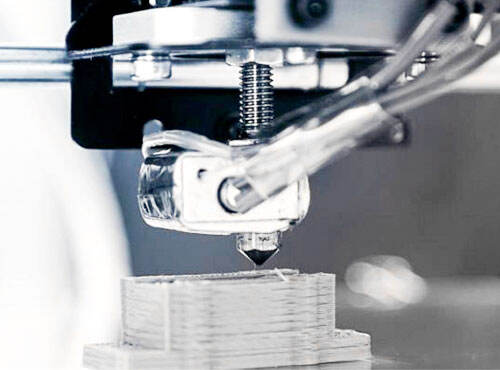
3D machine equipment: accelerated Sample - making Process

12

Feb

3D machine equipment: accelerated Sample - making Process

View More
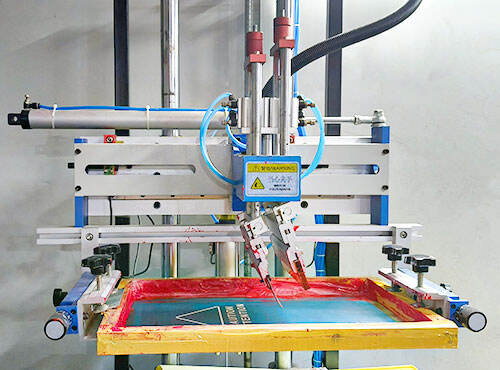
Advanced custom machine: to undertake large and small custom orders

12

Feb

Advanced custom machine: to undertake large and small custom orders

View More
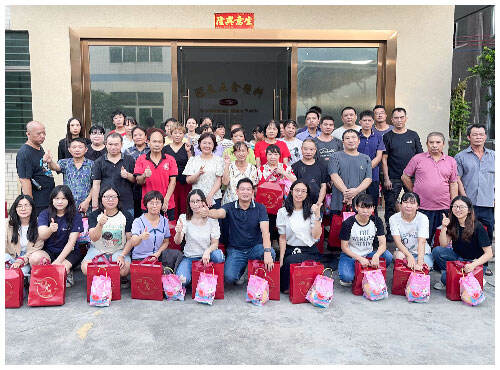
Heartwarming Mid - Autumn Festival reunion dinner

12

Feb

Heartwarming Mid - Autumn Festival reunion dinner

View More
Best Wish to All

12

Feb

Best Wish to All

View More

Get a Free Quote

Our representative will contact you soon.
Email
Phone/WhatsApp/WeChat
Name
Company Name
Message
0/1000

dough mixer

Advanced Spiral Mixing Technology for Superior Dough Development

Advanced Spiral Mixing Technology for Superior Dough Development

The innovative spiral mixing technology incorporated in modern dough mixer systems revolutionizes how ingredients transform into perfectly developed dough. This sophisticated mechanism features a stationary spiral hook that rotates within a moving bowl, creating a dual-action mixing pattern that ensures thorough ingredient incorporation while maintaining optimal dough structure. Unlike traditional planetary mixers that can generate excessive heat through friction, the spiral dough mixer operates at lower speeds with greater efficiency, preserving ingredient integrity and preventing premature fermentation activation. The spiral design allows for gentle yet effective gluten development, crucial for achieving proper dough elasticity and strength required for high-quality baked products. This technology particularly excels with high-hydration dough formulations, where traditional mixing methods often struggle to achieve proper consistency. The spiral arm follows the natural flow of dough movement, reducing mechanical stress while ensuring complete hydration of flour particles. Temperature control becomes more manageable with spiral mixing technology, as the reduced friction prevents excessive heat buildup that can damage yeast activity and alter dough characteristics. Professional bakers appreciate how this dough mixer technology handles sticky or wet dough with ease, eliminating the need for excessive flour additions that can compromise final product quality. The spiral mixing action accommodates various batch sizes efficiently, from small artisanal loaves to large commercial production runs. Maintenance requirements remain minimal due to the simplified mechanical design, reducing downtime and operational costs. The technology proves especially valuable for specialty bread production, where precise gluten development determines crumb structure and texture. Energy consumption decreases significantly compared to conventional mixing methods, contributing to sustainable operations while reducing utility costs. This advanced spiral mixing technology positions the dough mixer as an indispensable tool for operations demanding consistent, professional-quality results while maintaining operational efficiency and cost-effectiveness in competitive market environments.
Programmable Controls and Digital Interface for Precision Mixing

Programmable Controls and Digital Interface for Precision Mixing

The integration of programmable controls and digital interface technology in contemporary dough mixer systems delivers unprecedented precision and consistency in commercial baking operations. This advanced control system allows operators to program specific mixing parameters including speed variations, time intervals, and rest periods, ensuring optimal results for different recipe requirements. The digital interface displays real-time mixing data, enabling precise monitoring of dough development stages and immediate adjustments when necessary. Memory functions store multiple recipe programs, allowing quick switching between different product lines without manual recalibration. This programmable dough mixer technology eliminates guesswork and reduces operator skill dependency, ensuring consistent results regardless of staff experience levels. The system monitors mixing bowl temperature, alerting operators when thermal thresholds approach critical levels that might affect yeast viability or dough characteristics. Automated timing functions prevent overmixing, a common cause of tough, dense baked products that result from excessive gluten development. The interface provides step-by-step guidance through complex mixing sequences, particularly beneficial for multi-stage processes involving preferments or delayed salt additions. Error detection capabilities identify operational irregularities such as overloading or mechanical malfunctions, preventing equipment damage and maintaining production schedules. Data logging features track mixing cycles for quality assurance documentation and process optimization analysis. Remote monitoring capabilities allow supervisors to oversee multiple dough mixer units from centralized locations, improving operational efficiency in large facilities. The programmable system accommodates seasonal ingredient variations by adjusting mixing parameters to compensate for flour protein fluctuations or humidity changes. Training time for new operators decreases substantially with intuitive digital controls and automated guidance systems. Production scheduling becomes more accurate with predictable mixing cycles and automated timing functions. Quality control improves through consistent parameter enforcement and detailed cycle documentation. This sophisticated control technology transforms the dough mixer into an intelligent production tool that delivers professional results while reducing operational complexity and enhancing productivity in demanding commercial environments.
Heavy-Duty Construction and Food-Grade Materials for Durability

Heavy-Duty Construction and Food-Grade Materials for Durability

The robust construction and premium food-grade materials used in professional dough mixer manufacturing ensure exceptional durability and compliance with stringent food safety regulations. Heavy-gauge stainless steel components resist corrosion, maintain sanitary conditions, and withstand the mechanical stresses of continuous commercial operation. The frame construction utilizes reinforced steel welding techniques that eliminate weak points and prevent structural failure under heavy loads. This durable design enables the dough mixer to handle dense dough formulations and high-volume production schedules without compromising performance or safety. Food-grade stainless steel surfaces facilitate easy cleaning and sanitization, meeting health department requirements while preventing bacterial contamination. The non-porous surface characteristics resist staining and odor absorption, maintaining hygienic conditions across diverse product lines. Heavy-duty motor systems deliver consistent power output even when processing challenging dough consistencies, ensuring reliable operation during peak production periods. Sealed bearing assemblies protect internal components from flour dust and moisture infiltration, extending service life and reducing maintenance requirements. The substantial weight and low center of gravity design provide stability during operation, preventing vibration and movement that could affect mixing quality or create safety hazards. Reinforced mixing bowls accommodate maximum capacity loads without deformation or stress cracking, maintaining precise tolerances essential for optimal mixing performance. Premium gear systems transfer power efficiently while minimizing noise levels, creating a more comfortable working environment. The durable construction protects internal mechanisms from impact damage during transport and installation, ensuring long-term reliability in demanding commercial environments. Easy-access panels simplify routine maintenance procedures while maintaining structural integrity. The investment in quality materials and construction techniques results in lower total cost of ownership through reduced repair frequency and extended service life. This heavy-duty dough mixer construction provides peace of mind for business owners who depend on reliable equipment performance for daily operations. The combination of durability and food safety compliance makes this equipment suitable for the most demanding commercial applications, from high-volume bakeries to specialized artisanal operations requiring consistent, professional-quality results year after year without compromising food safety standards or operational efficiency.