restaurant storage container
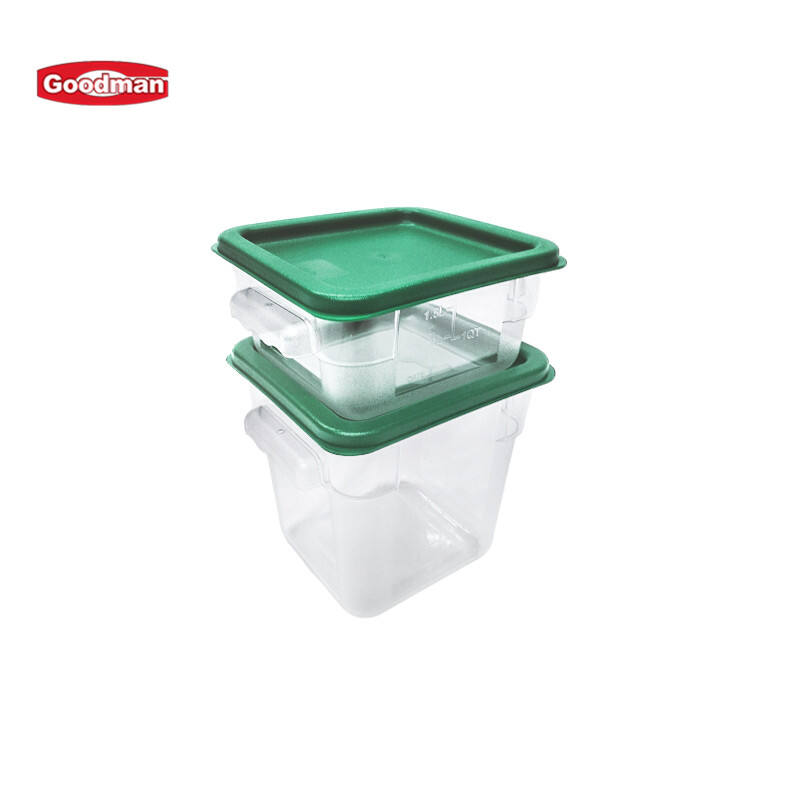
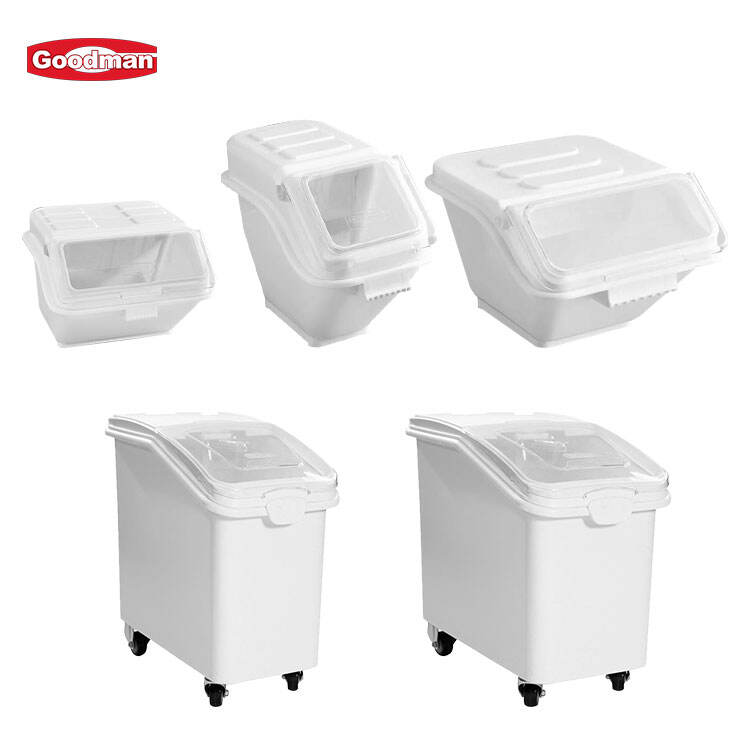
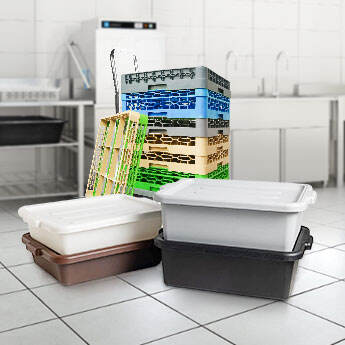
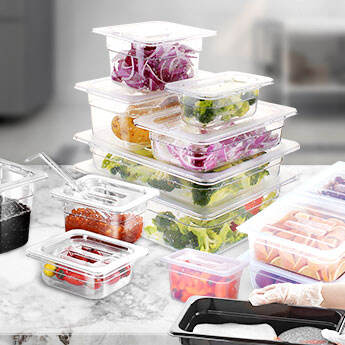
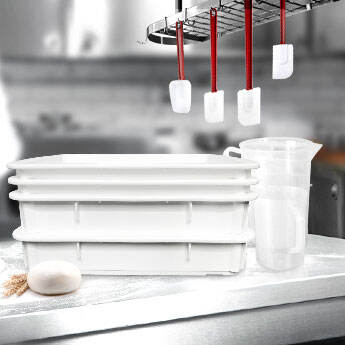
Restaurant storage containers represent a fundamental component of modern commercial kitchen management, serving as the backbone of efficient food service operations. These specialized containers are engineered to meet the demanding requirements of professional kitchens, offering superior durability, hygiene standards, and organizational capabilities that far exceed consumer-grade alternatives. The primary function of restaurant storage containers revolves around maintaining food safety through proper containment, preventing cross-contamination, and preserving ingredient freshness for extended periods. These containers utilize advanced materials such as food-grade polycarbonate, stainless steel, and BPA-free plastics that resist staining, odor absorption, and chemical degradation even under intensive daily use. Technological features include graduated measurement markings for accurate portion control, stackable designs that maximize vertical storage space, and tight-sealing lids that create airtight environments to prevent spoilage. Many restaurant storage containers incorporate temperature-resistant properties, allowing safe transitions from freezer to refrigerator to prep areas without compromising structural integrity. The applications span across various kitchen stations including prep areas, walk-in coolers, dry storage rooms, and service lines. These containers accommodate diverse food types from bulk ingredients like flour and rice to prepared items such as soups, sauces, and marinated proteins. Professional kitchens rely on restaurant storage containers for inventory management, portion control, and maintaining HACCP compliance standards. The modular nature of these systems allows for customizable storage solutions that adapt to specific menu requirements and kitchen layouts. Additionally, many restaurant storage containers feature color-coding systems and labeling areas that facilitate easy identification and rotation protocols, ensuring that ingredients are used within optimal timeframes and maintaining the highest quality standards in food service operations.