Premium Baking Sheet - Professional Quality Cookware for Perfect Results

baking sheet

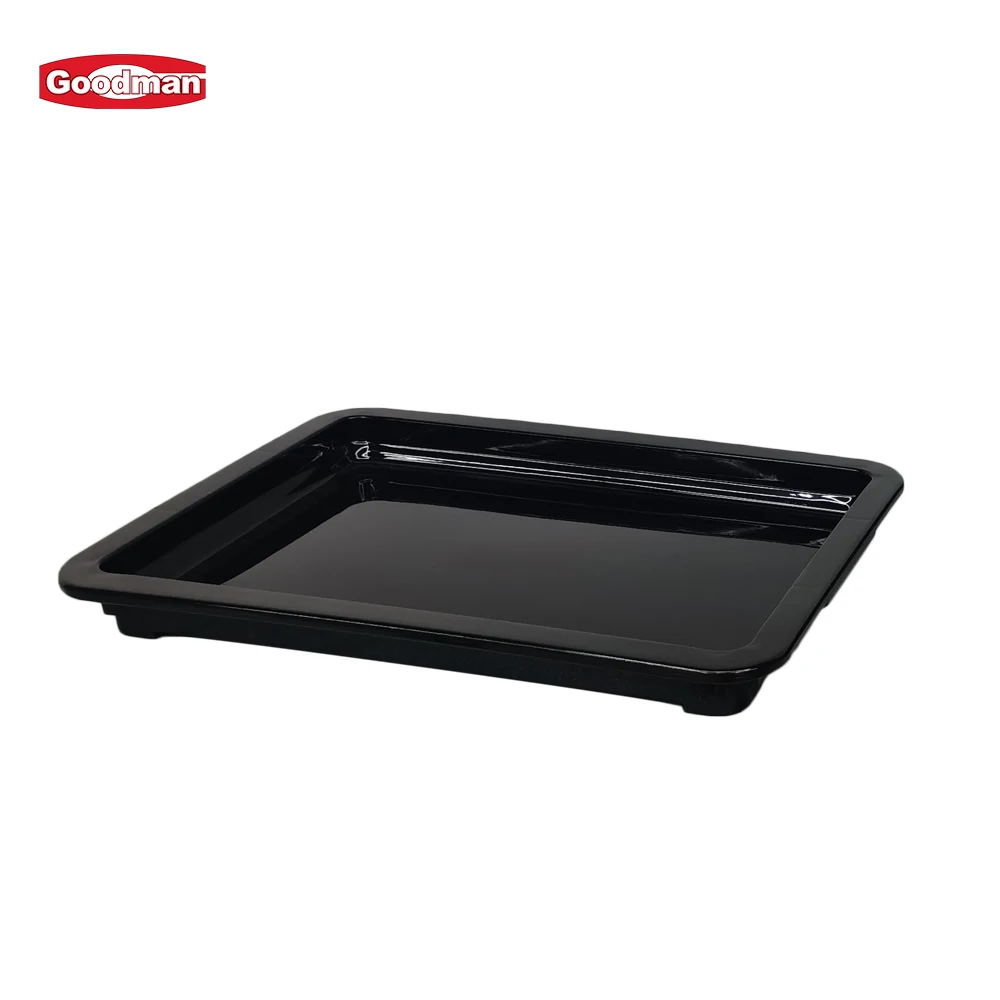
A baking sheet represents one of the most essential tools in modern culinary equipment, serving as the foundation for countless cooking and baking endeavors. This flat, rectangular metal pan features raised edges that typically measure between half an inch to one inch in height, creating a secure cooking surface that prevents food from sliding off during preparation and transport. The standard baking sheet dimensions range from small quarter-sheet pans measuring 9x13 inches to full commercial-size options extending up to 18x26 inches, accommodating various kitchen sizes and cooking needs. Constructed primarily from aluminum, stainless steel, or carbon steel materials, each baking sheet offers distinct thermal conductivity properties that influence cooking performance. Aluminum variants provide excellent heat distribution and lightweight handling, while stainless steel models deliver superior durability and resistance to warping under extreme temperatures. The technological innovation behind modern baking sheet design incorporates reinforced construction techniques, including rolled edges that enhance structural integrity and prevent bending during heavy use. Many contemporary models feature non-stick coatings applied through advanced ceramic or PTFE processes, reducing oil requirements and simplifying cleanup procedures. The applications for this versatile cookware extend far beyond traditional baking tasks, encompassing roasting vegetables, preparing sheet pan dinners, dehydrating fruits, cooling baked goods, and even serving as organizational trays during food preparation. Professional chefs and home cooks alike rely on baking sheet functionality for meal preparation efficiency, utilizing the spacious flat surface to cook multiple ingredients simultaneously while maintaining consistent temperatures throughout the cooking process. The raised rim design prevents juices and oils from spilling into oven chambers, maintaining cleaner cooking environments and reducing maintenance requirements.

New Product Recommendations

The baking sheet delivers exceptional versatility that transforms ordinary cooking routines into efficient culinary experiences, allowing users to prepare entire meals using a single piece of cookware. This remarkable adaptability means you can roast proteins, vegetables, and starches simultaneously, creating complete sheet pan dinners that minimize preparation time and reduce dishwashing requirements. The even heat distribution characteristic ensures consistent cooking results across the entire surface area, eliminating hot spots that often plague inferior cookware and guaranteeing uniform browning and texture development. Time-saving benefits become immediately apparent when utilizing a quality baking sheet, as the generous cooking surface accommodates larger quantities of food compared to traditional pans, enabling batch cooking and meal preparation strategies that streamline weekly planning efforts. The easy cleanup process represents another significant advantage, particularly with non-stick varieties that require minimal scrubbing and often need only warm soapy water to restore pristine condition. Unlike complex cookware with intricate designs or hard-to-reach crevices, the simple flat surface design allows thorough cleaning in minutes rather than extended scrubbing sessions. Durability stands as a defining characteristic of well-constructed baking sheet options, with premium materials resisting warping, scratching, and discoloration even under frequent high-temperature use. This longevity translates into excellent value propositions, as a single high-quality baking sheet can serve households for years or even decades with proper care and maintenance. The space-efficient storage design allows easy stacking or vertical organization in standard kitchen cabinets, maximizing storage capacity without consuming excessive cupboard real estate. Health-conscious cooking becomes more accessible through baking sheet utilization, as the cooking method requires minimal added fats while promoting natural flavor development through caramelization and proper moisture retention. The temperature tolerance of quality baking sheet construction enables usage across various cooking methods, from low-temperature dehydrating at 200 degrees to high-heat roasting exceeding 450 degrees Fahrenheit, providing flexibility for diverse culinary techniques and recipe requirements.

Latest News

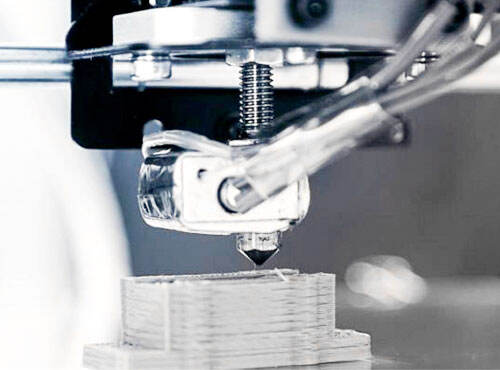
3D machine equipment: accelerated Sample - making Process

12

Feb

3D machine equipment: accelerated Sample - making Process

View More
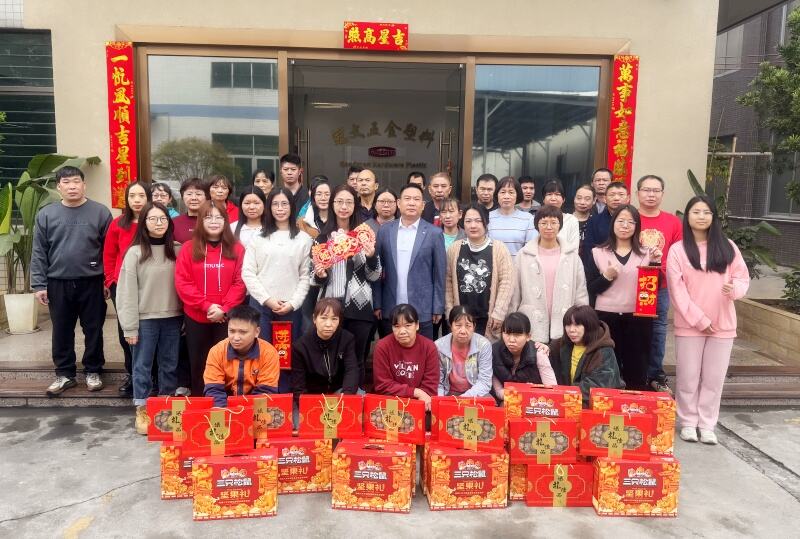
Best Wish to All

12

Feb

Best Wish to All

View More
The Unforgettable Annual Party of Our Company in 2025

12

Feb

The Unforgettable Annual Party of Our Company in 2025

View More
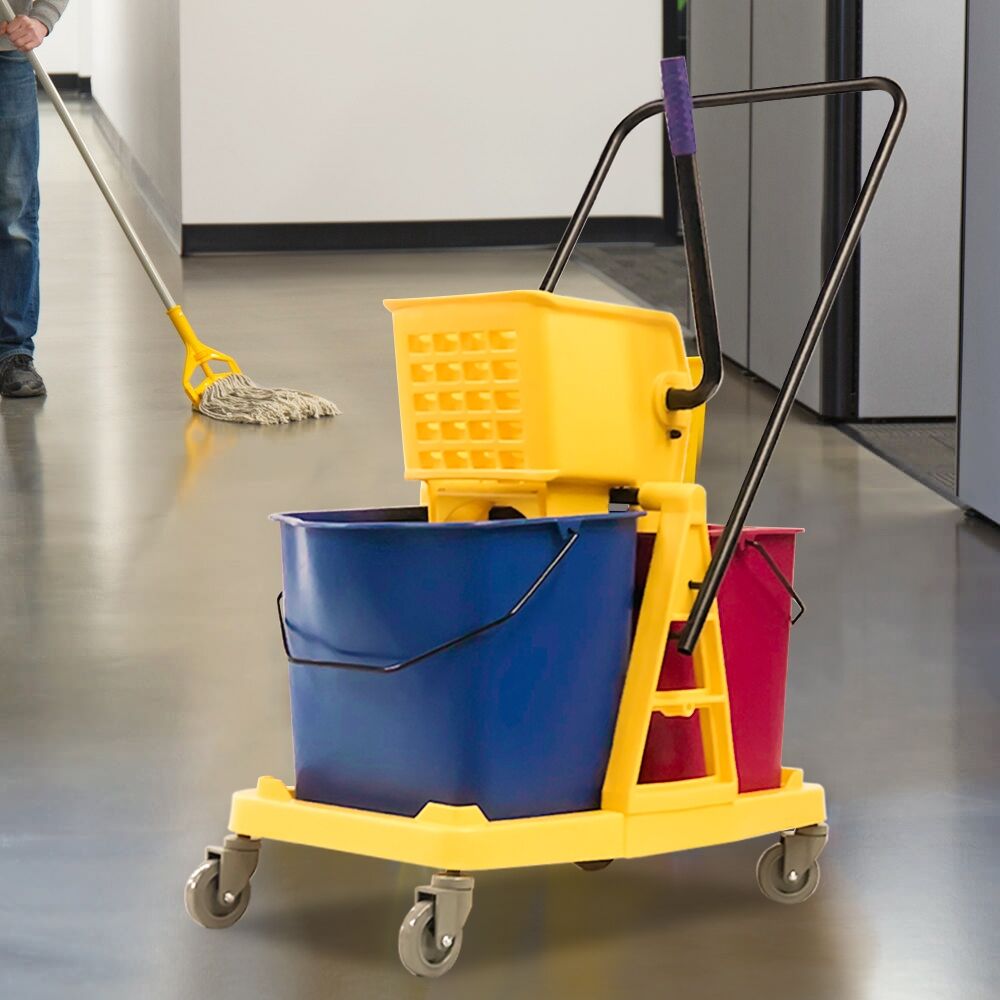
One-Stop Procurement of Hotel Cleaning Products: Enhancing Cost Efficiency and Operational Effectiveness for Global Buyers

04

Jan

One-Stop Procurement of Hotel Cleaning Products: Enhancing Cost Efficiency and Operational Effectiveness for Global Buyers

View More

Get a Free Quote

Our representative will contact you soon.
Email
Phone/WhatsApp/WeChat
Name
Company Name
Message
0/1000

baking sheet

Superior Heat Distribution Technology

Superior Heat Distribution Technology

The advanced heat distribution technology integrated into premium baking sheet construction revolutionizes cooking performance through scientifically engineered thermal conductivity properties that ensure remarkable temperature consistency across the entire cooking surface. This sophisticated technology stems from carefully selected materials and precise manufacturing processes that optimize heat transfer efficiency, eliminating the frustrating temperature variations that often compromise cooking results with inferior cookware options. Aluminum-based baking sheet models excel in this regard, featuring molecular structures that rapidly absorb and distribute thermal energy throughout the pan surface, creating uniform heating zones that cook food evenly regardless of placement position. The thermal conductivity coefficient of high-grade aluminum reaches approximately 237 watts per meter-kelvin, significantly outperforming stainless steel alternatives and ensuring rapid heat response to temperature adjustments. This superior heat distribution capability proves particularly valuable when preparing delicate items like cookies, pastries, or roasted vegetables that require consistent temperatures to achieve optimal texture and appearance. The technology prevents common cooking problems such as burnt edges with undercooked centers, soggy bottoms on baked goods, or unevenly caramelized vegetables that often result from poor heat distribution. Multi-layer construction techniques employed in premium baking sheet manufacturing incorporate aluminum cores sandwiched between stainless steel exteriors, combining rapid heat distribution with enhanced durability and easy maintenance characteristics. The thermal mass properties of well-designed baking sheet construction maintain stable temperatures even when cold ingredients are added, preventing dramatic temperature drops that can negatively impact cooking performance and final results. Professional-grade options often feature thickness measurements ranging from 18 to 16 gauge materials, providing optimal thermal mass for consistent performance while remaining lightweight enough for comfortable handling during food preparation and transportation activities.
Versatile Multi-Purpose Functionality

Versatile Multi-Purpose Functionality

The exceptional multi-purpose functionality of modern baking sheet designs transforms this simple cookware into an indispensable kitchen workhorse capable of handling diverse culinary tasks that extend far beyond traditional baking applications. This remarkable versatility stems from the thoughtful engineering of proportions, materials, and structural features that accommodate various cooking methods while maintaining optimal performance characteristics across different temperature ranges and food types. Beyond conventional cookie and pastry baking, the generous flat surface area enables efficient sheet pan dinner preparation, allowing simultaneous cooking of proteins, vegetables, and starches in organized sections that create complete balanced meals with minimal cleanup requirements. The raised edge design proves invaluable for containing marinades, cooking juices, and oils during roasting procedures, preventing spillage while creating natural basting environments that enhance flavor development and moisture retention in prepared foods. Dehydrating applications become accessible through low-temperature baking sheet utilization, enabling homemade fruit leather, vegetable chips, and herb preservation without specialized equipment investments. The sturdy construction supports heavy items like whole chickens, roasts, or dense vegetable medleys without warping or flexing, maintaining structural integrity throughout extended cooking periods at elevated temperatures. Cooling rack functionality transforms the baking sheet into essential pastry preparation equipment, providing stable platforms for decorating cakes, assembling layered desserts, or organizing ingredients during complex recipe execution. Food photography and presentation benefits emerge from the clean, professional appearance of quality baking sheet surfaces that serve as attractive backgrounds for culinary documentation and social media sharing. Meal preparation efficiency increases dramatically through batch cooking capabilities that allow preparation of multiple servings simultaneously, supporting weekly meal planning strategies and reducing daily cooking time commitments while ensuring consistent results across all prepared items.

Exceptional Durability and Longevity

Exceptional Durability and Longevity

The exceptional durability and longevity characteristics of premium baking sheet construction represent fundamental value propositions that distinguish quality cookware investments from disposable alternatives, ensuring years of reliable performance under demanding kitchen conditions. This outstanding durability originates from carefully selected materials, advanced manufacturing techniques, and quality control processes that create cookware capable of withstanding frequent use, extreme temperatures, and intensive cleaning procedures without degradation or performance compromise. Heavy-gauge construction techniques employed in professional-grade baking sheet manufacturing utilize thicker material specifications that resist warping, denting, and flexing even under substantial weight loads or rapid temperature changes that often damage inferior products. The molecular structure of high-quality aluminum and stainless steel materials maintains stability across temperature ranges from freezer storage below zero degrees to oven temperatures exceeding 500 degrees Fahrenheit, ensuring consistent performance throughout diverse cooking applications. Reinforced edge construction featuring rolled or folded rim designs distributes stress loads evenly around pan perimeters, preventing the edge cracking and splitting that commonly occurs with lightweight alternatives after extended use periods. Corrosion resistance properties inherent in premium materials protect against rust, discoloration, and surface pitting that can compromise both appearance and food safety standards over time, maintaining hygienic cooking surfaces throughout extended service life. The investment value becomes apparent through cost-per-use calculations that demonstrate superior economics compared to frequent replacement of cheaper alternatives that fail under normal kitchen demands. Commercial kitchen environments provide real-world durability testing where quality baking sheet options endure thousands of cooking cycles while maintaining structural integrity and performance characteristics that justify their initial cost premiums. Proper maintenance requirements remain minimal for well-constructed options, requiring only standard cleaning procedures without specialized care products or techniques that add ongoing ownership costs or complexity to routine kitchen maintenance schedules.