cafeteria serving trays
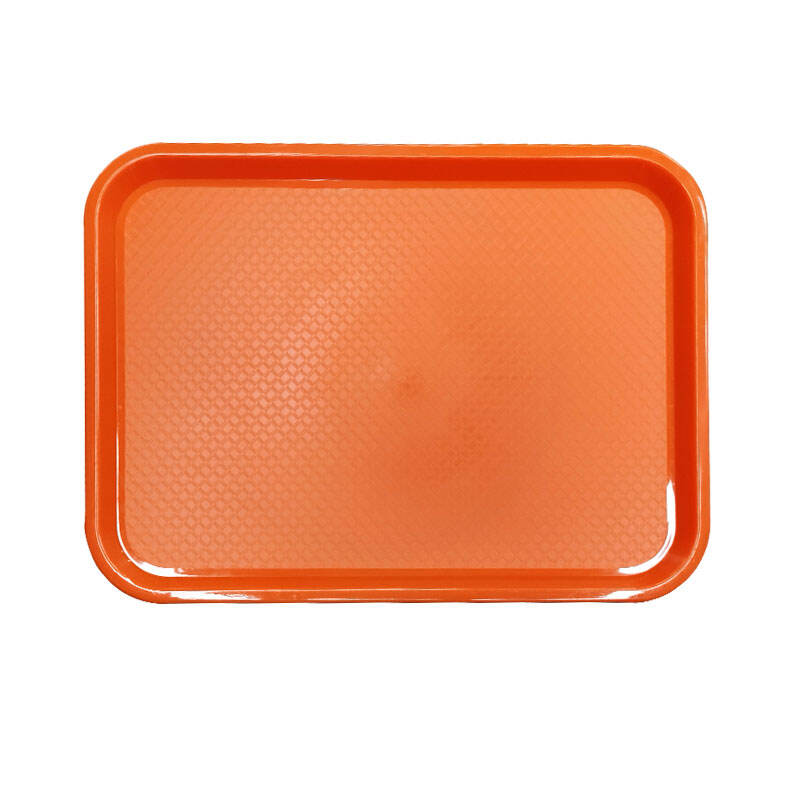
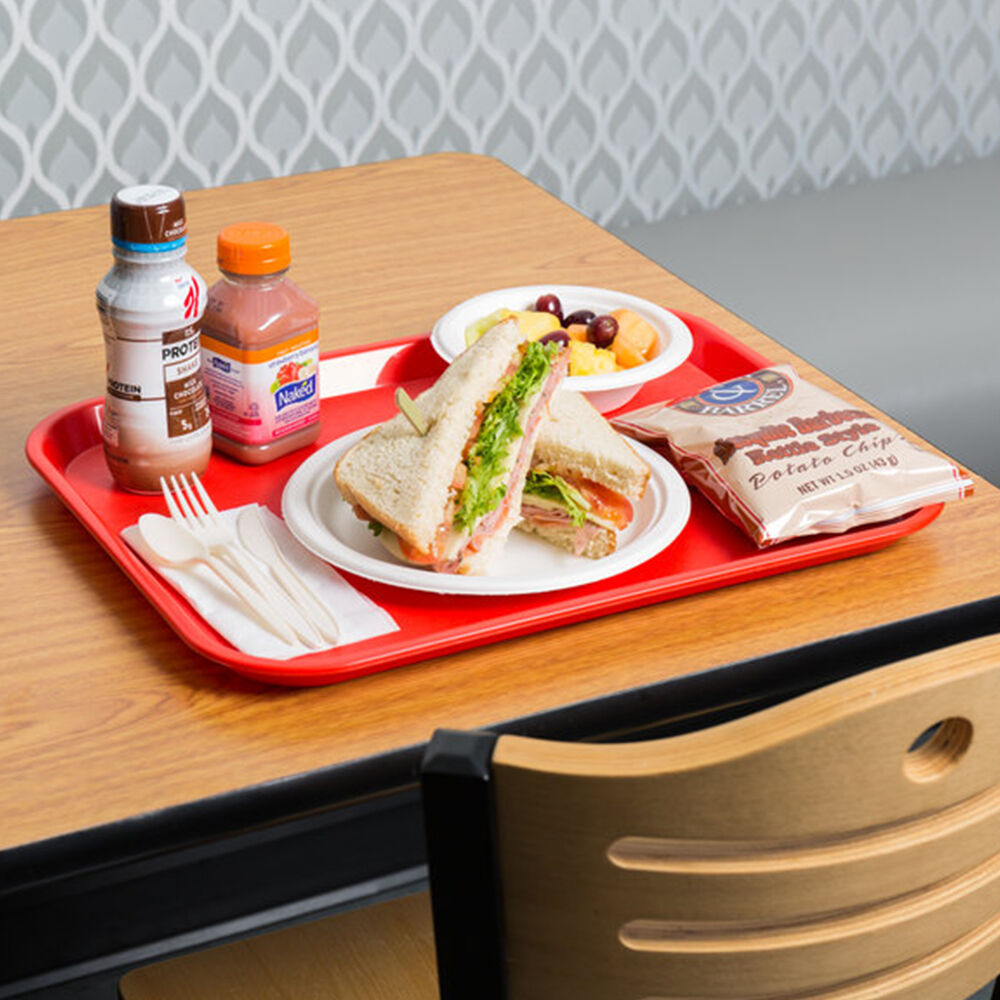
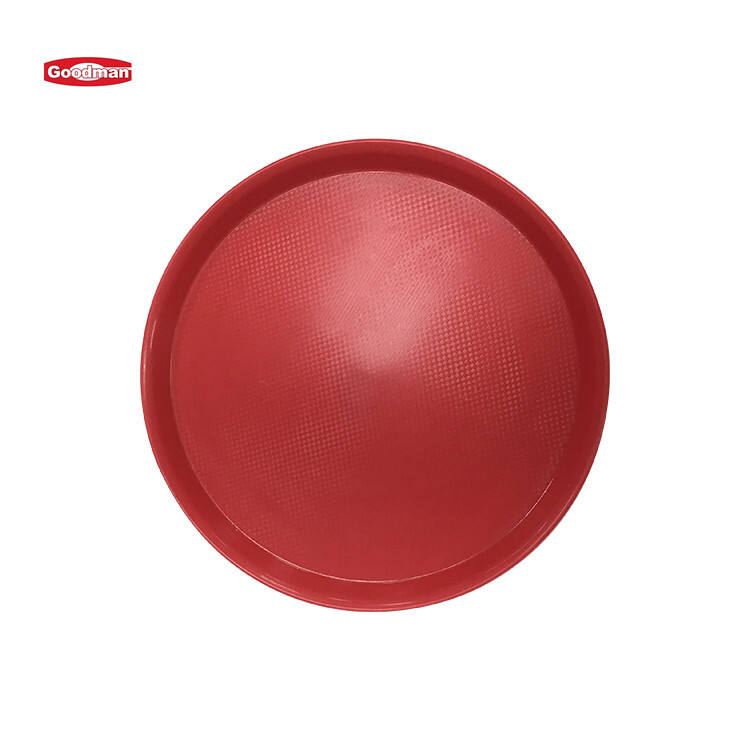
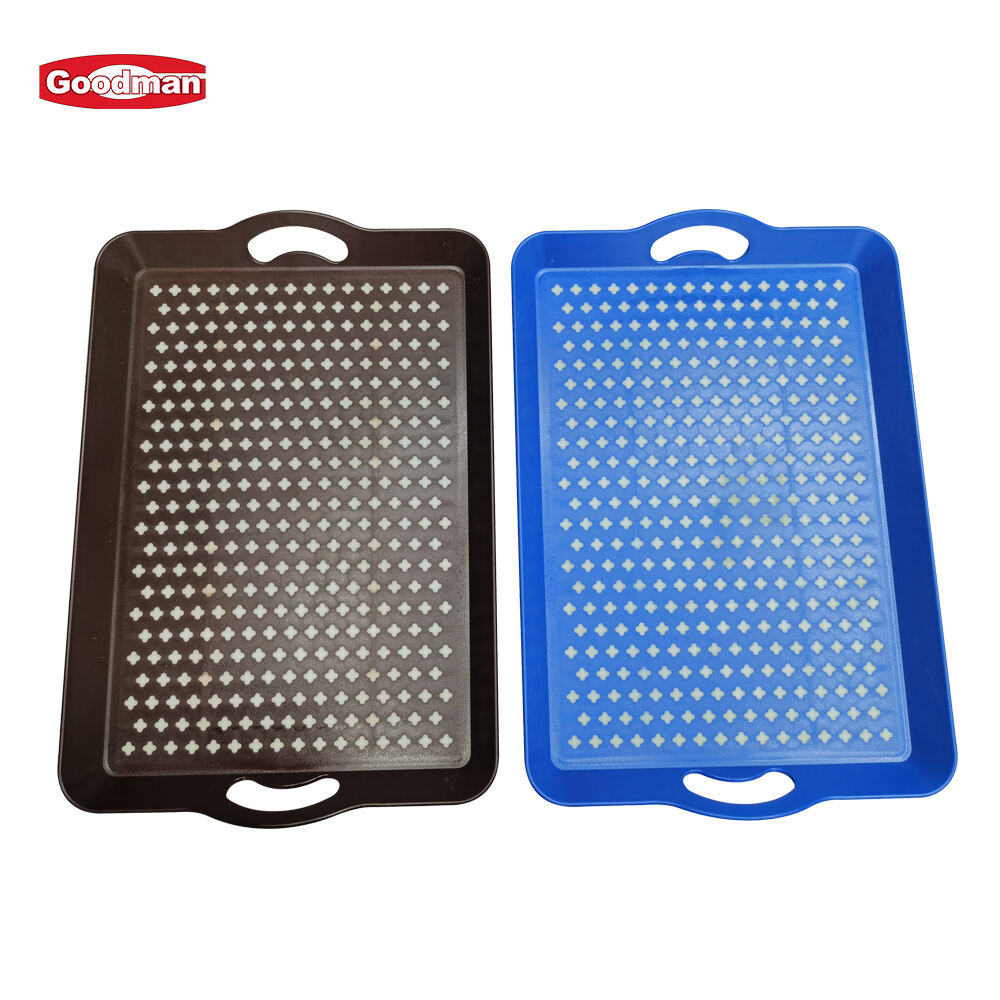
Cafeteria serving trays represent essential equipment in food service establishments, designed to streamline meal distribution and enhance dining experiences across various institutional settings. These specialized food service tools serve multiple critical functions that extend far beyond simple food transportation. Modern cafeteria serving trays facilitate efficient meal delivery, portion control, and hygienic food handling while maintaining optimal presentation standards. The primary technological features of contemporary cafeteria serving trays include lightweight yet durable construction materials, ergonomic design elements, and compartmentalized sections that prevent food mixing. Advanced manufacturing processes incorporate antimicrobial surfaces, slip-resistant textures, and stackable designs that maximize storage efficiency. Many cafeteria serving trays feature molded compartments specifically engineered to accommodate standard portion sizes, ensuring consistent serving quantities across different food categories. The applications for cafeteria serving trays span numerous environments including schools, hospitals, corporate dining facilities, military installations, and correctional institutions. Educational facilities utilize these trays to serve thousands of students daily, while healthcare institutions rely on them for patient meal delivery and staff cafeteria operations. Corporate cafeterias implement cafeteria serving trays to maintain professional dining atmospheres and expedite service during peak lunch hours. The versatility of modern cafeteria serving trays extends to special dietary requirements, with color-coded options that help identify specific meal types or allergen-free selections. Temperature-resistant properties ensure safe handling of both hot and cold foods, while integrated handles or grip areas reduce dropping incidents. Sustainability considerations have driven innovations in eco-friendly materials, with many cafeteria serving trays now manufactured from recycled plastics or biodegradable composites. These technological advancements support environmental initiatives while maintaining the durability and functionality required for high-volume food service operations.



 EN
EN