Professional Catering Service Equipment - Commercial Kitchen Solutions & Food Service Technology

catering service equipment

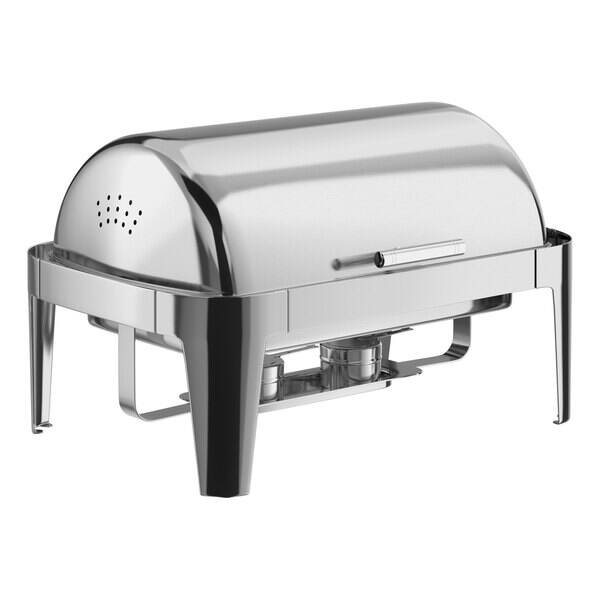
Catering service equipment represents the backbone of modern food service operations, encompassing a comprehensive range of specialized tools and machinery designed to streamline food preparation, cooking, storage, and service processes. This essential equipment category includes commercial-grade appliances such as industrial ovens, high-capacity refrigeration systems, food processors, warming cabinets, beverage dispensers, and specialized serving stations. The main functions of catering service equipment revolve around efficiency, consistency, and safety in food service environments. These sophisticated systems enable caterers to prepare large quantities of food while maintaining quality standards, ensuring proper temperature control throughout the entire service chain, and facilitating smooth workflow operations during high-volume events. Technological features of modern catering service equipment include digital temperature monitoring systems, programmable cooking cycles, energy-efficient designs, and user-friendly interfaces that reduce operator error and training time. Many units incorporate smart connectivity features, allowing remote monitoring and control through mobile applications. Advanced filtration systems, automatic cleaning cycles, and precision timing mechanisms further enhance operational reliability. The applications of catering service equipment span across diverse sectors including corporate events, wedding receptions, institutional dining, outdoor festivals, and emergency food services. These versatile systems adapt to various venue requirements, from compact mobile setups for intimate gatherings to expansive configurations for large-scale productions. Professional caterers rely on this equipment to deliver consistent results regardless of location constraints or guest count variations. The integration of multiple equipment pieces creates comprehensive catering solutions that address every aspect of food service delivery, from initial preparation through final presentation, ensuring that culinary professionals can maintain their reputation for excellence while meeting demanding schedules and diverse client expectations.

New Products

The advantages of catering service equipment extend far beyond basic functionality, delivering tangible benefits that directly impact profitability and operational success. Professional-grade catering service equipment significantly reduces labor costs by automating time-consuming tasks and enabling fewer staff members to serve larger guest counts effectively. This equipment increases food safety standards through precise temperature control, reducing the risk of foodborne illnesses and protecting your business reputation. The consistency provided by standardized equipment ensures every dish meets quality expectations, eliminating variations that could disappoint clients or damage professional credibility. Energy efficiency represents another crucial advantage, as modern catering service equipment incorporates advanced technologies that minimize utility costs while maximizing performance output. These systems often pay for themselves through reduced operating expenses over time. Portability features allow caterers to expand their service areas and accept venues that lack adequate kitchen facilities, opening new revenue opportunities. The durability of commercial-grade catering service equipment means fewer breakdowns during critical service periods, preventing costly delays and client dissatisfaction. Professional appearance enhances brand image, as sleek, modern equipment creates positive impressions with clients and guests. Time savings achieved through efficient equipment operation allows caterers to handle multiple events simultaneously or focus on menu development and customer service improvements. Storage optimization features maximize space utilization in both preparation and service areas, particularly valuable for mobile operations with limited capacity. The scalability of modular catering service equipment systems enables businesses to expand their capabilities gradually as demand grows, avoiding large upfront investments. Maintenance simplicity reduces downtime and service costs, while warranty coverage provides peace of mind for significant equipment investments. These combined advantages create competitive advantages that help catering businesses differentiate themselves in crowded markets, secure repeat customers, and command premium pricing for superior service quality and reliability.

Tips And Tricks

Advanced custom machine: to undertake large and small custom orders

12

Feb

Advanced custom machine: to undertake large and small custom orders

View More
Best Wish to All

12

Feb

Best Wish to All

View More
The Unforgettable Annual Party of Our Company in 2025

12

Feb

The Unforgettable Annual Party of Our Company in 2025

View More
Essential Usage Requirements for Commercial Hotel Cleaning Supplies

04

Jan

Essential Usage Requirements for Commercial Hotel Cleaning Supplies

View More

Get a Free Quote

Our representative will contact you soon.
Email
Phone/WhatsApp/WeChat
Name
Company Name
Message
0/1000

catering service equipment

Advanced Temperature Management Systems

Advanced Temperature Management Systems

The sophisticated temperature management systems integrated into modern catering service equipment represent a revolutionary advancement in food safety and quality control. These comprehensive systems monitor and maintain precise temperatures throughout every stage of the food service process, from initial preparation through final consumption. The technology employs multiple sensors strategically positioned within refrigeration units, warming chambers, and cooking equipment to provide real-time temperature data with exceptional accuracy. Digital displays offer instant visibility into temperature conditions, while automated alerts notify operators of any deviations from optimal ranges. This catering service equipment feature eliminates guesswork and human error that could compromise food safety standards or quality outcomes. The systems maintain detailed temperature logs that provide documentation for health department inspections and quality assurance protocols. Advanced algorithms automatically adjust heating and cooling cycles to maintain consistent temperatures while optimizing energy consumption. This intelligent management reduces utility costs while ensuring food remains at safe serving temperatures for extended periods. The temperature zones can be customized for different food types, allowing simultaneous storage and service of items requiring various temperature requirements. Recovery time after door openings or new item additions occurs rapidly, minimizing temperature fluctuations that could affect food quality. These systems integrate seamlessly with other catering service equipment components, creating coordinated environments that protect food integrity from preparation through consumption. The reliability of these temperature management systems provides peace of mind during critical service periods when equipment failure could result in significant financial losses and reputation damage. Professional caterers particularly value the consistency these systems provide, enabling them to maintain their quality standards regardless of external conditions or staff experience levels. The advanced monitoring capabilities also support compliance with increasingly stringent health regulations and insurance requirements in the food service industry.
Modular Design Flexibility

Modular Design Flexibility

The modular design flexibility inherent in contemporary catering service equipment provides unprecedented adaptability for diverse service requirements and venue constraints. This innovative approach allows operators to configure equipment arrangements that precisely match specific event needs, guest counts, and spatial limitations. Individual modules can be combined, separated, or reconfigured quickly without requiring specialized tools or extensive technical knowledge. This flexibility proves invaluable when serving venues with unique layouts, limited access points, or varying power availability. The standardized connection systems ensure seamless integration between different equipment modules while maintaining optimal performance across all components. Professional caterers can invest in core modules initially and expand their capabilities systematically as business demands grow, spreading equipment costs over time while building comprehensive service capabilities. The transportable nature of modular catering service equipment enables service providers to reach remote locations or venues lacking adequate kitchen facilities, significantly expanding market opportunities. Setup and breakdown times decrease substantially with modular systems, allowing crews to focus more time on food preparation and customer service rather than equipment management. The compact storage requirements of modular designs optimize warehouse space utilization and reduce transportation costs when moving between event locations. Maintenance becomes more manageable with modular systems, as individual components can be serviced without disrupting entire equipment configurations. This approach minimizes downtime and ensures backup options remain available during peak service periods. The scalability offered by modular catering service equipment supports business growth without requiring complete system replacements as demand increases. These designs accommodate various menu types and service styles, from formal plated dinners to casual buffet presentations. The professional appearance of coordinated modular systems enhances brand presentation and client confidence in service capabilities. Quality construction ensures reliable performance across all modules while maintaining consistent aesthetic standards that reflect positively on catering operations.
Energy Efficiency and Cost Optimization

Energy Efficiency and Cost Optimization

The energy efficiency and cost optimization features of modern catering service equipment deliver substantial long-term savings while supporting environmental sustainability initiatives. These advanced systems incorporate cutting-edge technologies that minimize power consumption without compromising performance quality or service capabilities. High-efficiency insulation materials and precision engineering reduce heat loss in warming equipment and minimize cooling energy requirements in refrigeration systems. Smart power management features automatically adjust energy consumption based on actual usage patterns, reducing unnecessary power draw during idle periods. The catering service equipment includes programmable timers and sensors that activate systems only when needed, eliminating wasteful continuous operation. LED lighting systems provide excellent visibility while consuming minimal electricity compared to traditional lighting options. Variable speed motors and compressors optimize energy usage by matching output to specific demand levels rather than operating at constant maximum capacity. These efficiency improvements typically result in thirty to fifty percent reductions in utility costs compared to older equipment models. The rapid payback period for energy-efficient catering service equipment makes these investments financially attractive for businesses of all sizes. Eco-friendly refrigerants and combustion systems reduce environmental impact while meeting increasingly strict regulatory requirements. Heat recovery systems capture and redirect waste heat for water heating or space warming, further improving overall energy utilization. The reliable performance of energy-efficient systems reduces maintenance requirements and extends equipment lifespan, providing additional cost savings over time. Digital monitoring systems track energy consumption patterns and identify opportunities for further optimization. These data insights enable operators to make informed decisions about usage scheduling and equipment upgrades. The positive environmental impact of efficient catering service equipment appeals to environmentally conscious clients and supports corporate sustainability goals. Professional recognition and certifications for energy-efficient operations can provide marketing advantages and potential tax benefits in many jurisdictions.