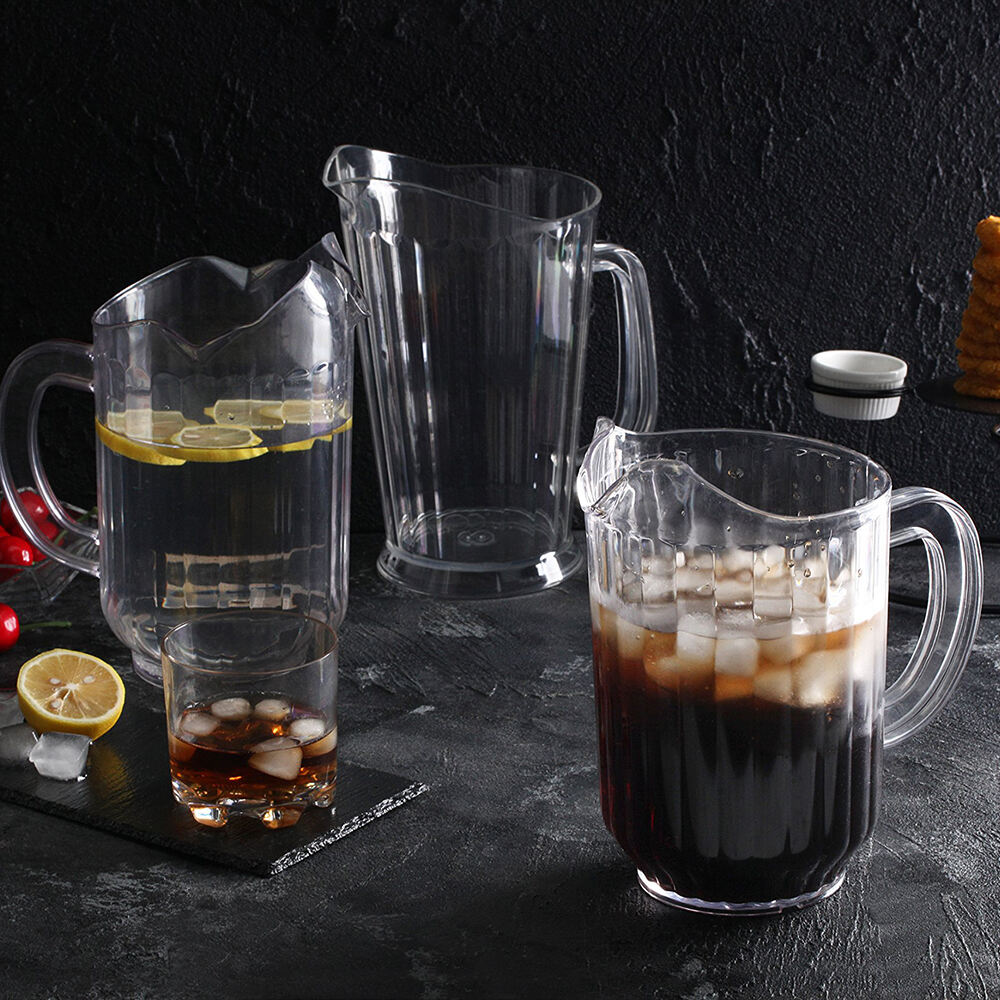
حاوية تخزين الطعام
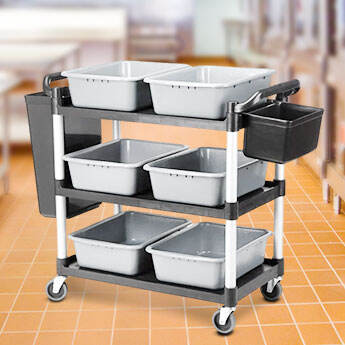
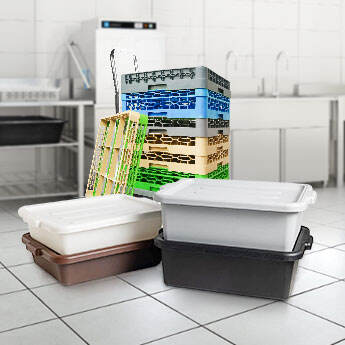
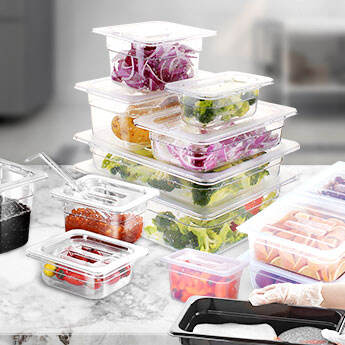
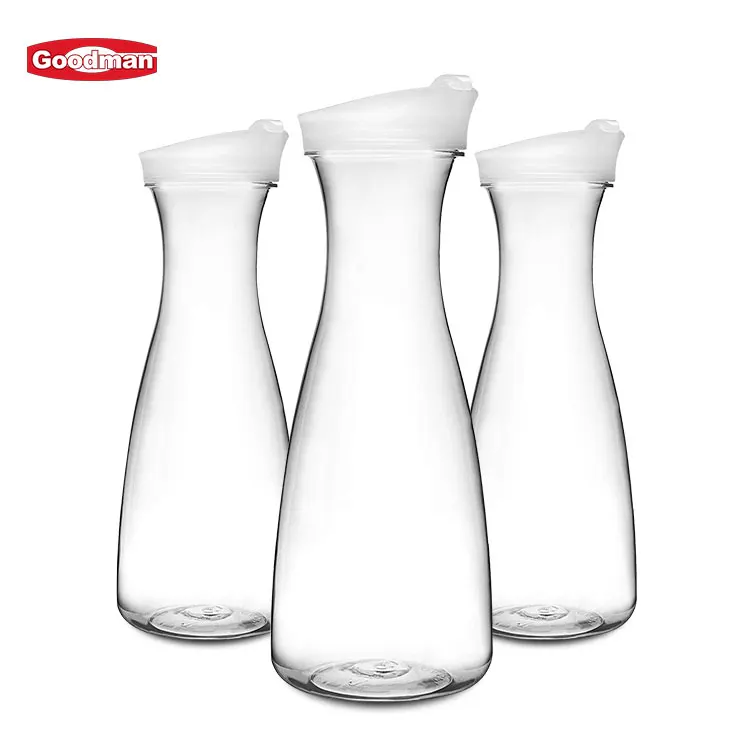
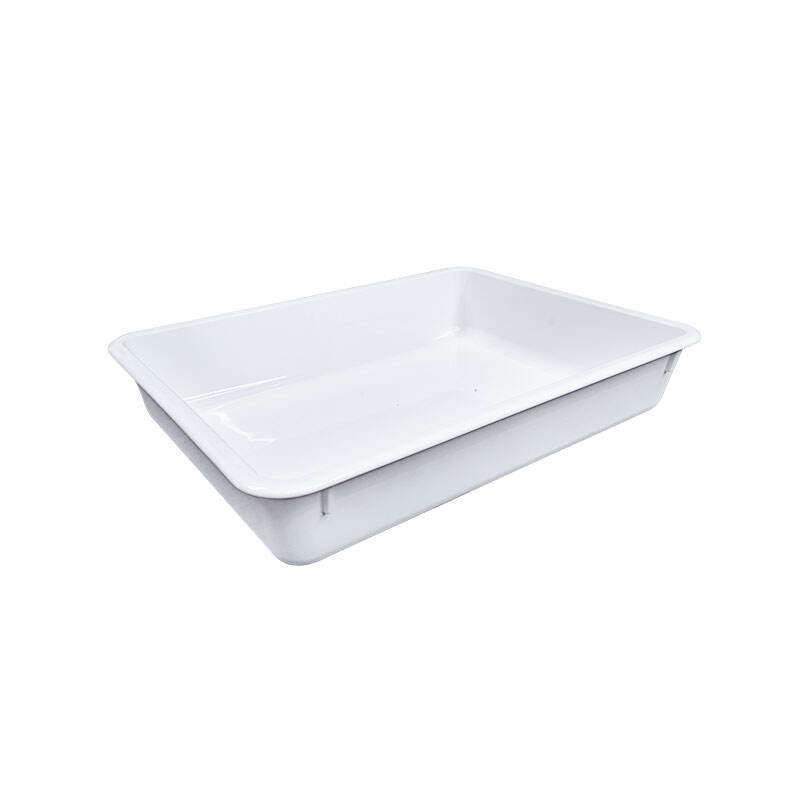
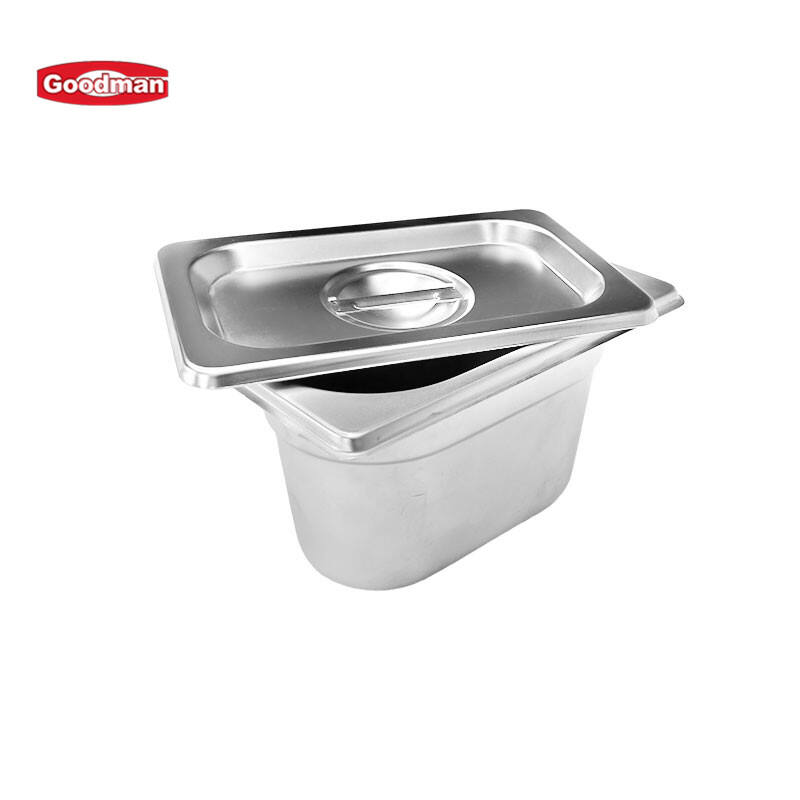
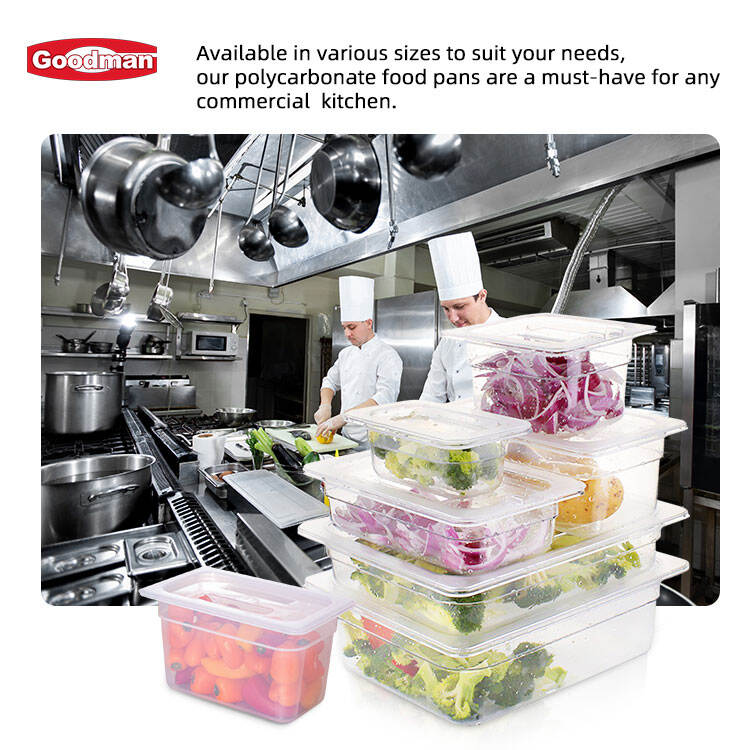
تمثل حاويات تخزين الأطعمة أدوات مطبخ أساسية مصممة للحفاظ على النضارة، وتنظيم المكونات، وتمديد مدة صلاحية مختلف المنتجات الغذائية. تؤدي هذه الحاويات المتعددة الاستخدامات وظائف متعددة في المنازل الحديثة، حيث تجمع بين الوظائف العملية وعناصر التصميم المبتكرة التي تعالج تحديات التخزين المعاصرة. ويحول نظام جيد لحاويات تخزين الطعام الخزائن والفَرّidges الفوضوية إلى مساحات منظمة وفعالة، مع الحد بشكل كبير من هدر الطعام بفضل قدراته المتفوقة على الحفظ. وتتضمن الوظائف الأساسية لحاويات تخزين الأطعمة الحفاظ على مستويات نضارة مثالية، ومنع التلوث من العناصر الخارجية، وإيجاد تنظيم منهجي داخل مناطق تخزين المطبخ. وتستخدم هذه الحاويات تقنيات إغلاق متقدمة لإنشاء حواجز محكمة الإغلاق، مما يمنع بفعالية دخول الرطوبة والهواء والآفات التي قد تضر بالمحتويات المخزنة. وتشمل السمات التقنية المدمجة في تصاميم حاويات التخزين الحديثة آليات إغلاق خاصة، وأشكال قابلة للتراص، ومواد شفافة تسمح بالتعرف بسهولة على المحتويات دون الحاجة إلى فتح الحاوية. وتحتوي العديد من الموديلات الحديثة على علامات قياس تدريجية، وفوهة صب، ومقبض مريح يسهل الاستخدام أثناء العمليات اليومية في المطبخ. وتمتد تطبيقات حاويات تخزين الأطعمة عبر فئات غذائية متنوعة، بدءًا من السلع الجافة مثل الحبوب والمعكرونة والدقيق، وصولاً إلى المنتجات الطازجة، وبقايا الطعام، والوجبات المُعدّة مسبقًا. وتستفيد المطابخ الاحترافية وخزائن المنازل وحتى غرف استراحة المكاتب من تطبيق أنظمة شاملة لحاويات تخزين الطعام. وتبين أن هذه الحاويات ذات قيمة كبيرة خاصة لعشاق إعداد الوجبات الذين يقومون بطهي كميات كبيرة دفعة واحدة، ولمن يتبعون التحكم في الكميات لمتطلباتهم الغذائية، وللعائلات التي تسعى لتقليل نفقات البقالة من خلال الحفظ الفعال للطعام. وتشمل المواد المستخدمة في التصنيع عادةً البلاستيك الخالي من مادة BPA، والزجاج البورسيليكي، والخيارات المصنوعة من الفولاذ المقاوم للصدأ، وكل منها يوفر مزايا مميزة تلبي احتياجات تخزين محددة وتفضيلات بيئية مختلفة.



 EN
EN