Professional Restaurant Trays - Durable Food Service Solutions for Enhanced Efficiency

restaurant trays

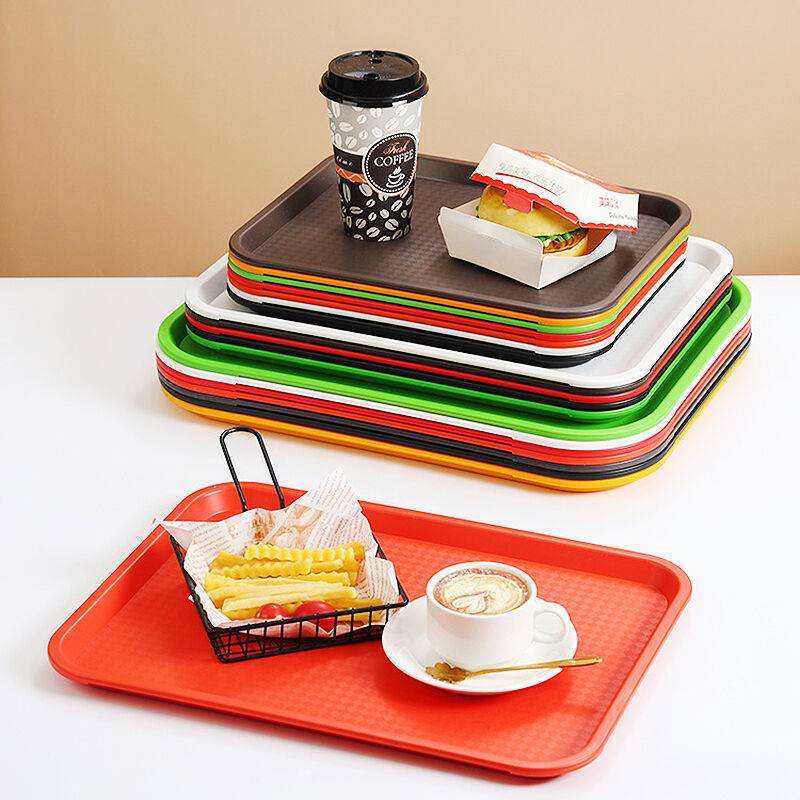
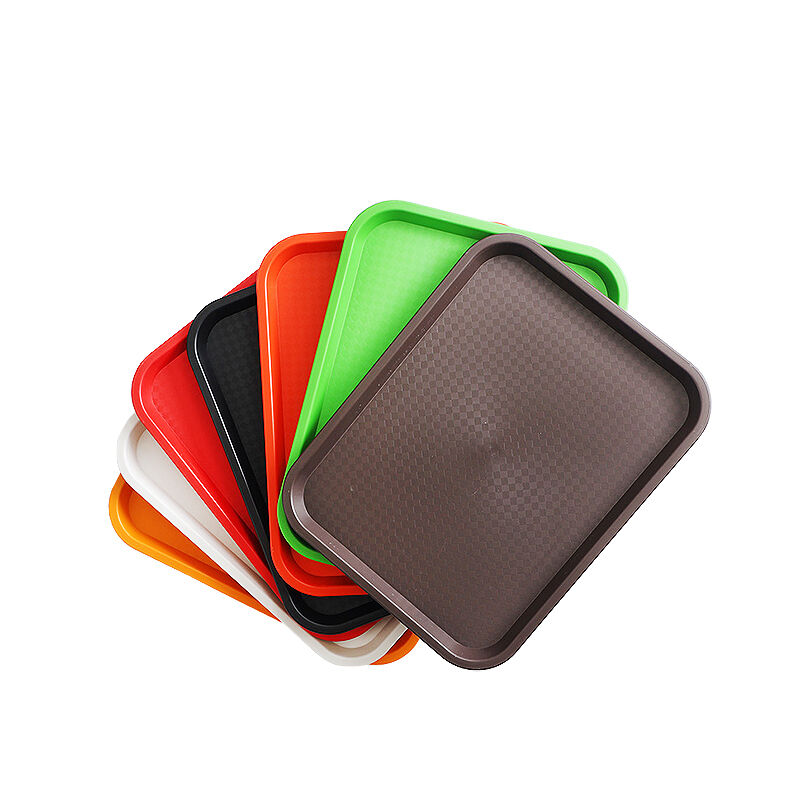
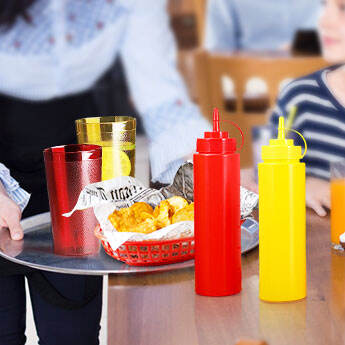
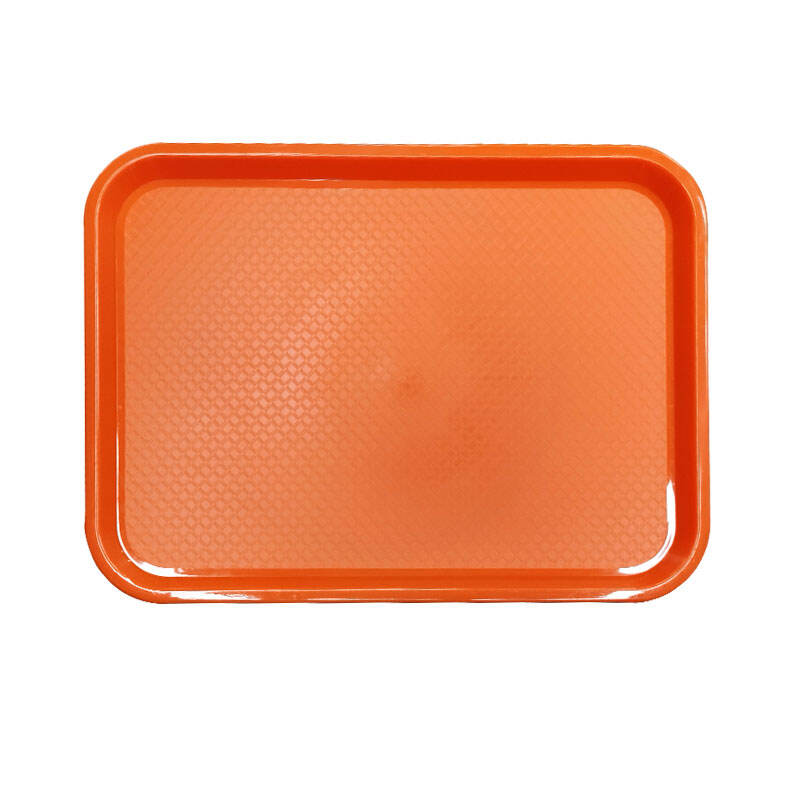
Restaurant trays serve as fundamental equipment in food service establishments, designed to facilitate efficient meal service and enhance the dining experience. These versatile platforms enable servers to transport multiple dishes, beverages, and utensils simultaneously, dramatically improving operational efficiency in busy restaurant environments. Modern restaurant trays incorporate advanced materials and ergonomic design principles to withstand the demanding conditions of commercial food service while providing optimal functionality. The primary functions of restaurant trays extend beyond simple carrying capacity. They organize meal components systematically, allowing servers to present complete orders in a single trip from kitchen to table. This capability reduces labor costs and minimizes customer wait times, directly impacting restaurant profitability and guest satisfaction. Restaurant trays also protect food items during transport, maintaining proper temperature and preventing contamination through their carefully engineered surfaces. Technological features of contemporary restaurant trays include anti-slip surfaces that secure dishes during movement, reducing the risk of spills and accidents. Many models incorporate raised edges and compartmentalized designs that separate different food items and prevent cross-contamination. Heat-resistant materials ensure that hot dishes remain safely contained while protecting servers from burns. Some advanced restaurant trays feature specialized coatings that resist staining, scratching, and bacterial growth, meeting stringent health department requirements. The applications of restaurant trays span various food service segments, from casual dining establishments to fine dining restaurants, cafeterias, and catering operations. Fast-casual restaurants utilize lightweight plastic restaurant trays for quick service, while upscale establishments often prefer elegant wooden or composite materials that complement their aesthetic. Healthcare facilities and educational institutions rely on durable, easy-to-sanitize restaurant trays that withstand frequent washing and disinfection cycles. The versatility of restaurant trays makes them indispensable tools across the entire food service industry, adapting to diverse operational needs and service styles.

Popular Products

Restaurant trays deliver substantial operational benefits that directly translate into improved profitability and customer satisfaction for food service establishments. The efficiency gains achieved through proper tray utilization significantly reduce labor costs by enabling servers to handle multiple orders simultaneously. A single server using restaurant trays can effectively manage larger sections, reducing staffing requirements during peak hours while maintaining high service standards. This increased productivity allows restaurants to serve more customers without proportionally increasing labor expenses. The durability of quality restaurant trays provides exceptional return on investment through extended service life. Commercial-grade materials withstand thousands of wash cycles and resist damage from daily handling, eliminating frequent replacement costs. Restaurant trays constructed from premium materials maintain their appearance and functionality for years, supporting consistent service quality throughout their operational lifespan. This longevity reduces total cost of ownership and simplifies inventory management for restaurant operators. Safety improvements represent another significant advantage of professional restaurant trays. Ergonomic designs reduce strain on servers' wrists and arms, minimizing workplace injuries and associated workers' compensation claims. Non-slip surfaces and balanced weight distribution prevent accidents that could result in food waste, equipment damage, or customer injuries. These safety features protect both staff and patrons while reducing liability exposure for restaurant owners. Restaurant trays enhance food presentation and maintain serving temperatures more effectively than alternative carrying methods. The flat, stable surface keeps dishes level during transport, preserving carefully plated presentations that reflect kitchen artistry. Insulated options maintain optimal food temperatures from kitchen to table, ensuring customers receive meals at their intended serving temperature. This temperature control improves food quality and customer satisfaction scores. Hygiene benefits of restaurant trays include easy cleaning and sanitization capabilities that meet health department standards. Smooth surfaces prevent bacterial accumulation and allow thorough cleaning between uses. Many restaurant trays feature antimicrobial properties that actively inhibit bacterial growth, providing additional protection against foodborne illness risks. These hygiene advantages support restaurants in maintaining their health ratings and building customer confidence. The versatility of restaurant trays accommodates various service styles and menu types, making them valuable investments for establishments with diverse offerings. From appetizer presentations to full meal service, restaurant trays adapt to changing operational needs without requiring additional equipment purchases.

Latest News

Heartwarming Mid - Autumn Festival reunion dinner

12

Feb

Heartwarming Mid - Autumn Festival reunion dinner

View More
Best Wish to All

12

Feb

Best Wish to All

View More
The Unforgettable Annual Party of Our Company in 2025

12

Feb

The Unforgettable Annual Party of Our Company in 2025

View More
One-Stop Procurement of Hotel Cleaning Products: Enhancing Cost Efficiency and Operational Effectiveness for Global Buyers

04

Jan

One-Stop Procurement of Hotel Cleaning Products: Enhancing Cost Efficiency and Operational Effectiveness for Global Buyers

View More

Get a Free Quote

Our representative will contact you soon.
Email
Phone/WhatsApp/WeChat
Name
Company Name
Message
0/1000

restaurant trays

Advanced Material Technology Delivers Superior Performance

Advanced Material Technology Delivers Superior Performance

Modern restaurant trays incorporate cutting-edge material technology that revolutionizes food service operations through enhanced durability and functionality. High-grade polycarbonate and composite materials used in premium restaurant trays resist impact damage while maintaining lightweight characteristics that reduce server fatigue during extended shifts. These advanced materials undergo rigorous testing to ensure they meet commercial kitchen demands, withstanding temperature variations from freezing storage to heated pass windows without warping or cracking. The molecular structure of these materials provides inherent antimicrobial properties, creating surfaces that actively resist bacterial growth and simplify sanitization processes. Restaurant trays manufactured with these advanced materials feature specialized surface treatments that prevent scratching and staining, maintaining professional appearance throughout their service life. The non-porous nature of these materials prevents absorption of odors, flavors, or liquids, ensuring that restaurant trays remain hygienic and neutral between different food services. Chemical resistance built into these materials allows restaurant trays to withstand harsh commercial cleaning agents and sanitizers without degradation, supporting rigorous cleaning protocols required in food service environments. This chemical resistance also prevents discoloration and surface damage that could harbor bacteria or compromise food safety standards. The thermal properties of advanced restaurant tray materials provide excellent heat distribution and retention, helping maintain food temperatures during service. Some specialized formulations include heat-reflective properties that protect servers from burns while maintaining optimal food temperatures for extended periods. UV resistance incorporated into outdoor-rated restaurant trays prevents fading and brittleness when used in patio dining or catering applications. The recyclable nature of many advanced materials used in restaurant trays supports sustainability initiatives while providing end-of-life value recovery. These materials can be reprocessed into new products, reducing environmental impact and supporting corporate responsibility goals. Manufacturing processes for these advanced materials often incorporate recycled content, further enhancing their environmental credentials while maintaining performance standards.
Ergonomic Design Enhances Server Efficiency and Safety

Ergonomic Design Enhances Server Efficiency and Safety

The ergonomic design features of professional restaurant trays significantly improve server performance while reducing workplace injuries and associated costs. Carefully engineered grip areas provide secure handling even when trays are loaded to capacity, reducing the risk of drops and spills that could result in food waste and safety hazards. The contoured edges of ergonomic restaurant trays distribute weight evenly across servers' hands and forearms, minimizing strain during extended carrying periods and reducing fatigue-related accidents. Strategic weight distribution built into restaurant tray designs ensures optimal balance regardless of load configuration, allowing servers to navigate crowded dining areas with confidence and stability. The low-profile design of modern restaurant trays reduces the overall height of loaded trays, improving server visibility and reducing collision risks in busy restaurant environments. This improved sight lines enhance safety for both servers and customers while allowing more precise navigation around obstacles. Textured grip surfaces on restaurant trays provide secure handling even when wet, addressing the challenging conditions common in food service environments where spills and condensation are frequent. The slip-resistant properties of these surfaces maintain effectiveness throughout the shift, even as trays encounter various moisture conditions. Rounded corners and smooth edges eliminate sharp points that could cause cuts or snag clothing, creating safer working conditions for restaurant staff. The seamless integration of ergonomic features ensures that restaurant trays remain easy to clean while providing enhanced functionality. Balanced proportions in restaurant tray design accommodate standard dishware sizes while optimizing weight distribution for comfortable carrying. The strategic placement of raised areas and depressions helps secure dishes during transport without adding unnecessary complexity to the cleaning process. Temperature-resistant handles and grip areas protect servers from hot surfaces while maintaining comfortable contact points throughout service. These ergonomic enhancements translate directly into improved job satisfaction and reduced turnover rates, as servers experience less physical stress and greater confidence in their ability to provide excellent service.
Versatile Applications Maximize Investment Value Across Food Service Segments

Versatile Applications Maximize Investment Value Across Food Service Segments

Restaurant trays demonstrate exceptional versatility across diverse food service applications, making them valuable investments that adapt to changing operational needs and market conditions. Quick-service restaurants benefit from lightweight, stackable restaurant trays that facilitate rapid order assembly and efficient customer flow during peak periods. The standardized dimensions of these trays integrate seamlessly with existing kitchen equipment and service areas, eliminating the need for costly modifications when implementing tray-based service systems. Fine dining establishments utilize premium restaurant trays crafted from elegant materials that complement sophisticated table settings while providing practical functionality for complex meal presentations. These upscale restaurant trays feature subtle design elements that enhance rather than detract from culinary presentations, supporting the overall dining experience while maintaining operational efficiency. The acoustic properties of quality restaurant trays minimize noise during handling, preserving the refined atmosphere essential to fine dining success. Cafeteria and institutional food service operations rely on durable, high-capacity restaurant trays that withstand intensive daily use while supporting efficient meal distribution systems. These heavy-duty restaurant trays accommodate larger portions and multiple food items, reducing the number of trips required and improving throughput during busy meal periods. The standardized sizing of institutional restaurant trays ensures compatibility with existing tray rails, dishwashing systems, and storage solutions. Catering applications showcase the portability advantages of professional restaurant trays, enabling elegant food presentation at remote locations while protecting items during transport. Stackable designs maximize vehicle space utilization during catering deliveries, while secure-fit features prevent shifting and damage during transit. The temperature retention properties of insulated restaurant trays maintain food quality throughout extended catering events. Healthcare food service requires specialized restaurant trays that meet strict sanitation standards while accommodating dietary restrictions and portion control requirements. Medical-grade materials used in these restaurant trays resist bacterial growth and withstand frequent sterilization cycles, supporting infection control protocols. The compartmentalized designs of healthcare restaurant trays separate different food items and medications, reducing cross-contamination risks while improving patient safety and satisfaction.