Professional Restaurant Utility Carts - Heavy-Duty Mobile Storage Solutions for Commercial Kitchens

restaurant utility cart

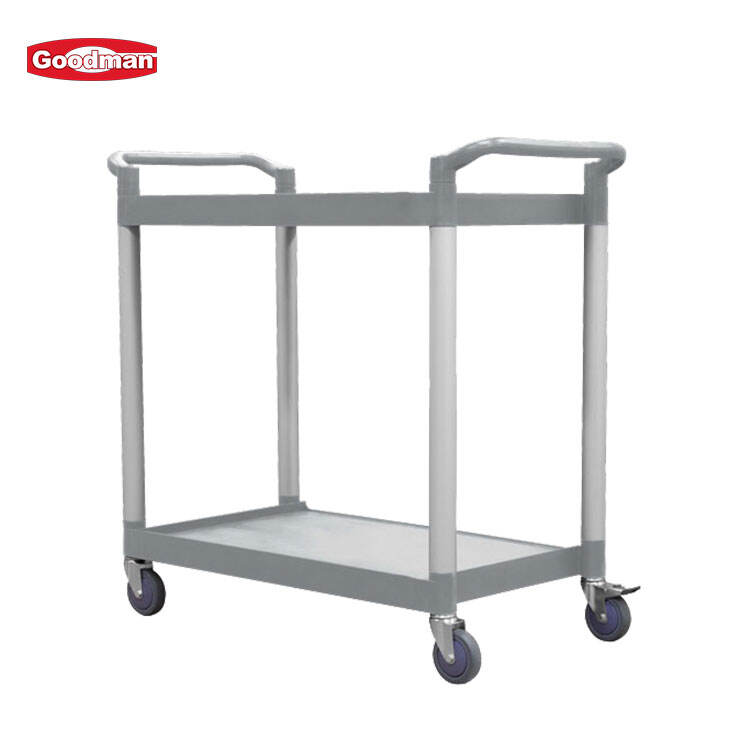
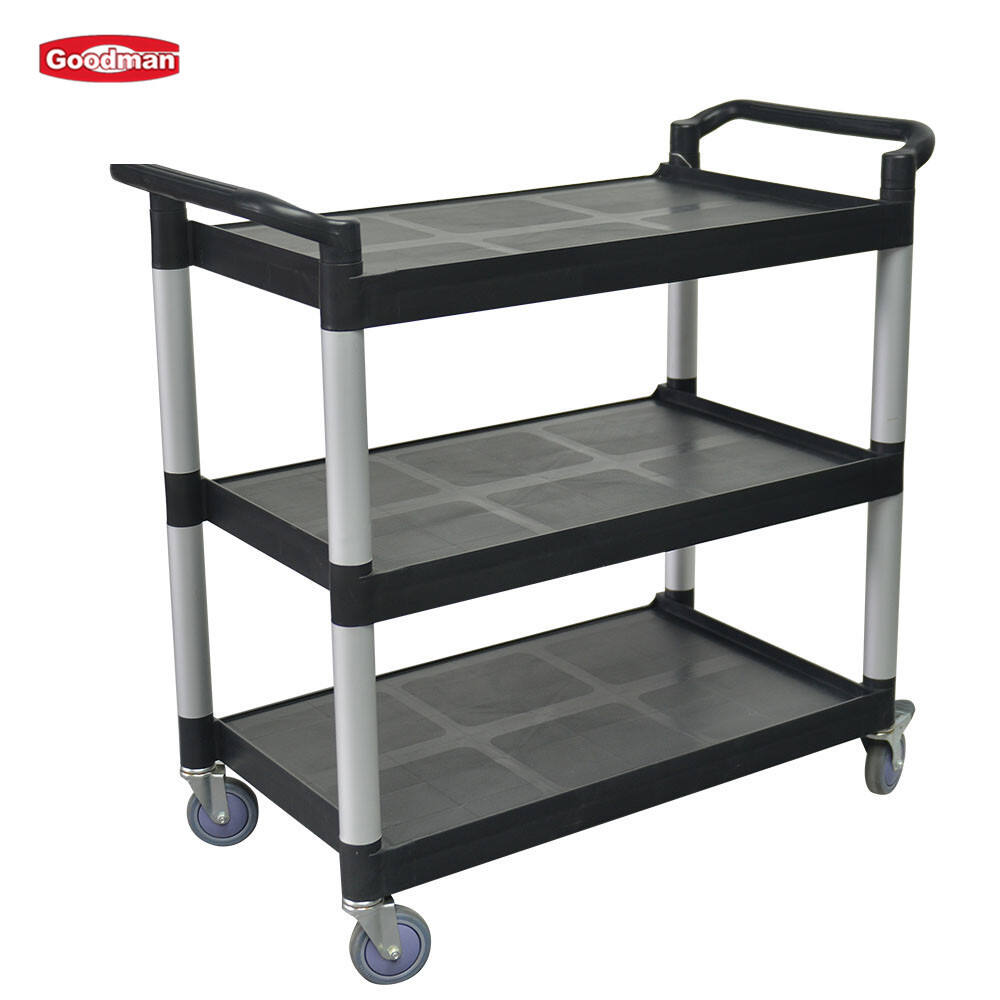
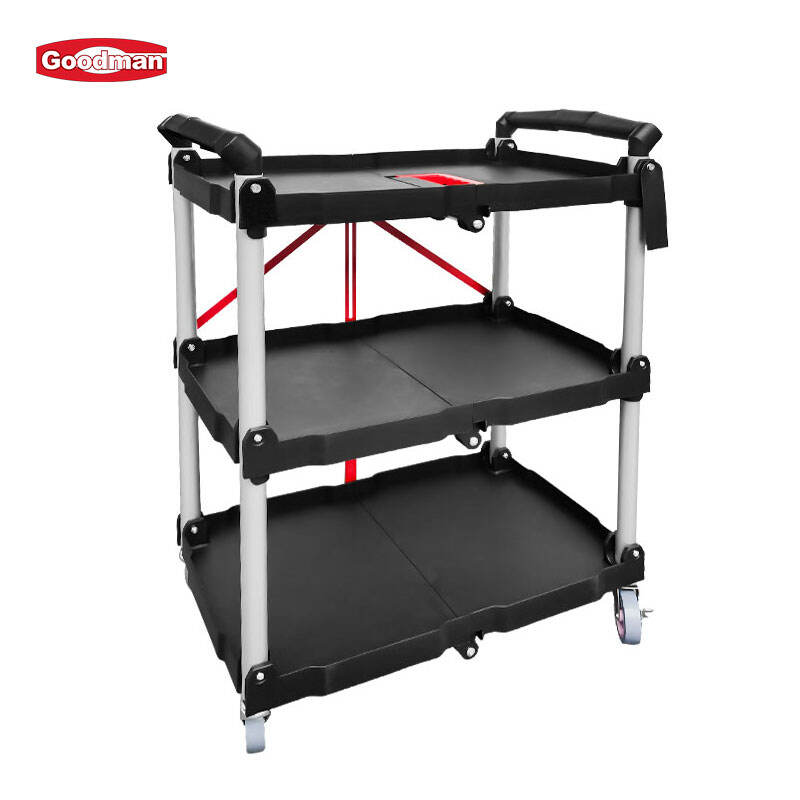
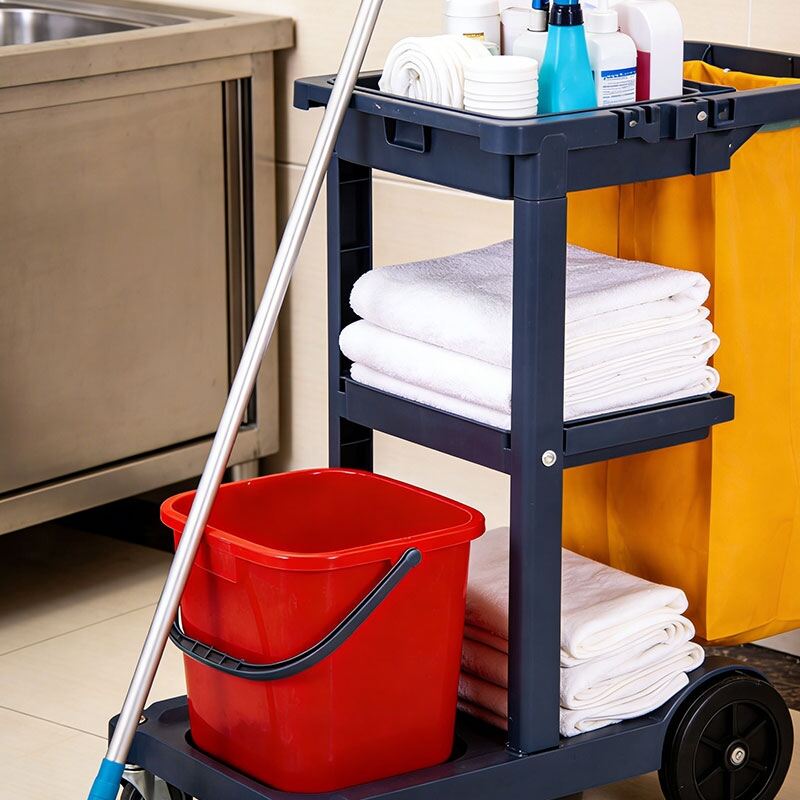
A restaurant utility cart serves as an essential piece of equipment designed to streamline operations in commercial kitchens and dining establishments. This mobile workstation combines storage capacity with transportation functionality, enabling staff to efficiently move supplies, dishes, and equipment throughout the restaurant. The restaurant utility cart features multiple tiers of shelving, typically constructed from stainless steel or heavy-duty plastic materials that withstand the demanding environment of food service operations. Modern restaurant utility carts incorporate advanced engineering principles to maximize durability while maintaining lightweight maneuverability. The technological features include precision-engineered wheels with swivel capabilities, allowing for smooth navigation around tight corners and through narrow passages commonly found in restaurant layouts. Many models feature locking mechanisms on wheels to ensure stability during loading and unloading procedures. The shelving systems are designed with raised edges to prevent items from sliding off during transport, while some advanced models include adjustable shelf heights to accommodate various item sizes. Restaurant utility carts find applications across multiple areas of food service operations, from prep kitchens where they transport ingredients and tools, to dining rooms where they assist with table clearing and setup. In buffet settings, these carts facilitate efficient restocking of serving dishes and utensils. Healthcare facilities and institutional kitchens rely on restaurant utility carts for meal distribution and equipment transport. The versatility extends to catering operations where portable storage and transport capabilities prove invaluable. Hotels and banquet facilities utilize these carts for event setup and breakdown processes. The robust construction typically supports substantial weight loads, with many models rated for 200-500 pounds depending on size and materials. This weight capacity makes restaurant utility carts suitable for transporting heavy kitchen equipment, bulk ingredients, and large quantities of dishes simultaneously, significantly improving operational efficiency.

New Product Recommendations

Restaurant utility carts deliver immediate productivity improvements by reducing the number of trips staff must make between kitchen areas and service locations. Workers can load multiple items onto a single cart, eliminating back-and-forth movements that consume valuable time during busy service periods. This efficiency translates directly into cost savings through reduced labor hours and increased table turnover rates. The ergonomic design of restaurant utility carts protects employees from injury by minimizing heavy lifting and awkward carrying positions. Staff members can push or pull loaded carts rather than carrying multiple items by hand, reducing strain on backs, shoulders, and arms. This injury prevention aspect contributes to lower workers' compensation claims and decreased employee absenteeism. Restaurant utility carts enhance organization by providing designated spaces for different types of items, preventing mix-ups and ensuring proper food safety protocols. Clean dishes remain separate from dirty ones, while raw ingredients stay isolated from prepared foods. This systematic approach reduces contamination risks and helps maintain health department compliance. The mobility factor allows restaurant utility carts to adapt to changing operational needs throughout the day. During breakfast service, carts can transport coffee supplies and pastries, while lunch periods might require moving salad ingredients and sandwich components. This flexibility maximizes equipment utilization and return on investment. Storage efficiency improves dramatically with restaurant utility carts, as they utilize vertical space effectively while maintaining a compact footprint. Multiple shelves provide substantial storage capacity without occupying excessive floor space in cramped kitchen environments. The ability to nest or stack certain cart models when not in use further optimizes storage solutions. Maintenance requirements remain minimal for quality restaurant utility carts, with stainless steel construction resisting corrosion and facilitating easy cleaning. Smooth surfaces allow for quick sanitization between uses, supporting food safety standards. The durability of well-constructed carts ensures years of reliable service, making them a sound long-term investment for restaurant operations. Customer satisfaction benefits indirectly from restaurant utility carts through faster service delivery and improved food quality consistency, as staff can efficiently transport items while maintaining proper temperatures and presentation standards.

Practical Tips

Heartwarming Mid - Autumn Festival reunion dinner

12

Feb

Heartwarming Mid - Autumn Festival reunion dinner

View More
Best Wish to All

12

Feb

Best Wish to All

View More
The Unforgettable Annual Party of Our Company in 2025

12

Feb

The Unforgettable Annual Party of Our Company in 2025

View More
Essential Usage Requirements for Commercial Hotel Cleaning Supplies

04

Jan

Essential Usage Requirements for Commercial Hotel Cleaning Supplies

View More

Get a Free Quote

Our representative will contact you soon.
Email
Phone/WhatsApp/WeChat
Name
Company Name
Message
0/1000

restaurant utility cart

Heavy-Duty Construction and Durability Excellence

Heavy-Duty Construction and Durability Excellence

The construction quality of a restaurant utility cart represents one of its most critical selling points, directly impacting long-term value and operational reliability. Premium restaurant utility carts feature commercial-grade stainless steel construction that resists corrosion, dents, and scratches commonly encountered in busy kitchen environments. This material choice ensures the cart maintains its appearance and functionality even after years of intensive daily use. The welding techniques employed in manufacturing create seamless joints that eliminate crevices where bacteria could harbor, supporting stringent food safety requirements. Professional-grade restaurant utility carts incorporate reinforced corners and stress points to handle the repeated impacts and heavy loads typical in food service operations. The frame design distributes weight evenly across the structure, preventing warping or bending under maximum load conditions. Advanced manufacturing processes ensure precise tolerances in wheel mounting points, eliminating wobbling or instability during transport. Many high-end models feature removable shelves with easy-release mechanisms, allowing for thorough cleaning and maintenance. The surface finish on quality restaurant utility carts includes protective coatings that resist staining from acidic foods and harsh cleaning chemicals. This durability extends beyond the frame to include hardware components such as wheel assemblies, which feature sealed bearings to prevent contamination and ensure smooth operation. The investment in a robust restaurant utility cart pays dividends through reduced replacement costs, minimal maintenance requirements, and consistent performance that supports uninterrupted service operations. Professional kitchens demand equipment that performs reliably during peak service periods, and the heavy-duty construction of premium restaurant utility carts delivers this essential reliability while maintaining safety standards that protect both staff and customers.
Superior Mobility and Maneuverability Features

Superior Mobility and Maneuverability Features

The mobility characteristics of a restaurant utility cart determine its effectiveness in fast-paced kitchen environments where space constraints and rapid movement requirements challenge traditional equipment solutions. Advanced restaurant utility carts incorporate precision-engineered wheel systems that combine durability with smooth operation across various floor surfaces commonly found in commercial kitchens. The wheel configuration typically features swivel casters on all corners or a combination of fixed and swivel wheels to optimize steering control and stability during transport. High-quality restaurant utility carts utilize industrial-grade wheels with non-marking compounds that protect expensive flooring while providing excellent traction on wet or greasy surfaces. The wheel mounting systems employ heavy-duty hardware designed to withstand lateral forces encountered when navigating tight corners or sudden directional changes. Many professional models include locking mechanisms on wheels that engage easily to secure the cart during loading, unloading, or stationary work periods. This locking feature prevents unwanted movement that could create safety hazards or disrupt work processes. The handle design on modern restaurant utility carts considers ergonomic principles to reduce operator fatigue during extended use periods. Push handles are positioned at optimal heights to accommodate various operator sizes while maintaining comfortable posture and leverage. The smooth-rolling characteristics of quality restaurant utility carts enable single-person operation even when fully loaded, improving labor efficiency during busy service periods. Noise reduction features in premium wheel assemblies minimize operational sound levels, important in open kitchen environments where excessive noise can disrupt communication and create stressful working conditions. The maneuverability advantages extend to narrow doorways and cramped storage areas where traditional wheeled equipment might struggle to navigate effectively, making restaurant utility carts indispensable tools for maximizing operational flexibility.
Versatile Storage Solutions and Organizational Benefits

Versatile Storage Solutions and Organizational Benefits

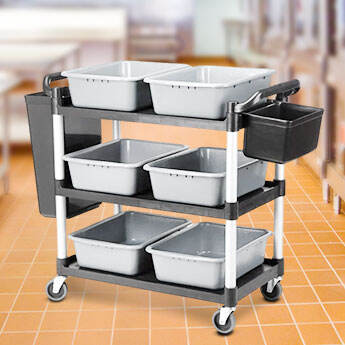
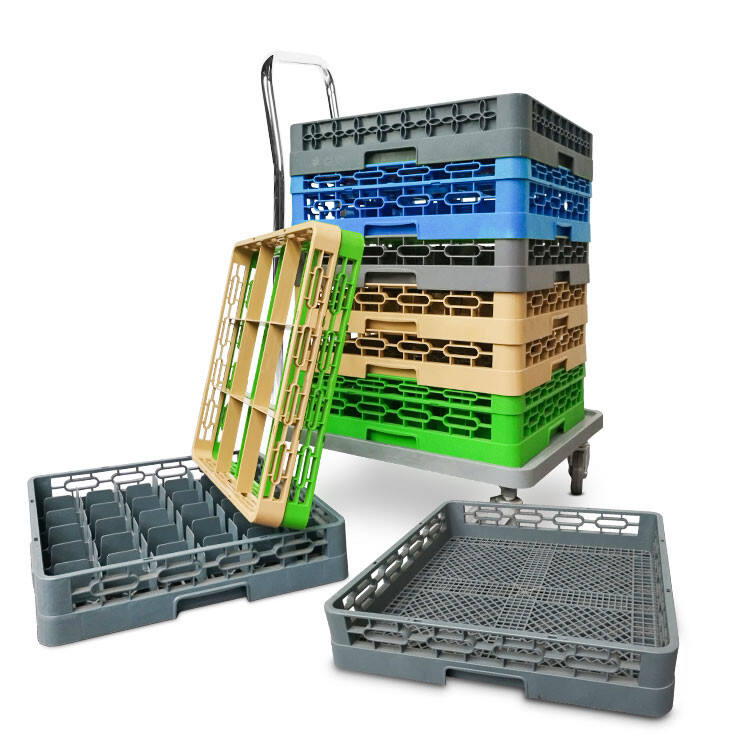
The storage capabilities and organizational advantages of restaurant utility carts address critical operational challenges faced by food service establishments seeking to maximize efficiency while maintaining food safety standards. Modern restaurant utility carts feature multi-tier shelving systems that optimize vertical space utilization, providing substantial storage capacity within a compact footprint suitable for crowded kitchen environments. The shelf design incorporates raised edges or lip barriers that prevent items from sliding during transport, ensuring safe conveyance of dishes, ingredients, and equipment. Adjustable shelf heights in premium restaurant utility carts accommodate various item sizes, from tall containers to flat serving trays, maximizing storage flexibility for diverse operational needs. The spacing between shelves allows adequate airflow circulation when transporting hot items, preventing heat buildup that could compromise food quality or create safety hazards. Professional-grade restaurant utility carts often include specialized accessories such as drawer inserts, hanging hooks, or compartmentalized sections that enhance organizational capabilities. These features enable staff to segregate different types of items systematically, supporting proper food handling protocols and inventory management procedures. The open design of most restaurant utility carts provides easy visual access to stored items, reducing time spent searching for specific supplies during busy service periods. Color-coded shelf systems or removable bins further enhance organization by creating designated areas for different food categories or operational functions. The storage versatility extends to accommodating both clean and soiled items in separate sections, supporting efficient workflow patterns that minimize cross-contamination risks. Restaurant utility carts with removable components facilitate thorough cleaning and sanitization, essential requirements in commercial food preparation environments. The organizational benefits translate directly into improved operational efficiency as staff can quickly locate needed items and transport multiple supplies simultaneously, reducing unnecessary movement and increasing productive work time during critical service periods.